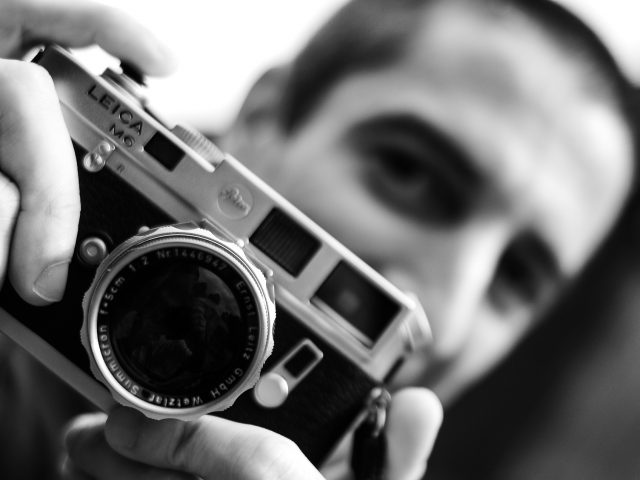
Intermediate Photography Course
Apply your skills across real-world scenarios with our intermediate photography course in Singapore
5 Sessions · 2 Hours Each · Includes Night Photography · Complimentary camera & tripod provided
✅ The Intermediate Photography Course is also included in our
– get the full experience!
Intermediate Photography Course Introduction
Ready to take your photography to the next level? Our Intermediate Photography Course in Singapore is designed for those who have mastered the basics and are eager to learn advanced photography techniques. From Street photography, Indoor photography, Night Photography to landscape and Atmosphere photography, we’ll help you refine your skills, experiment with different styles, and develop your own photographic identity.
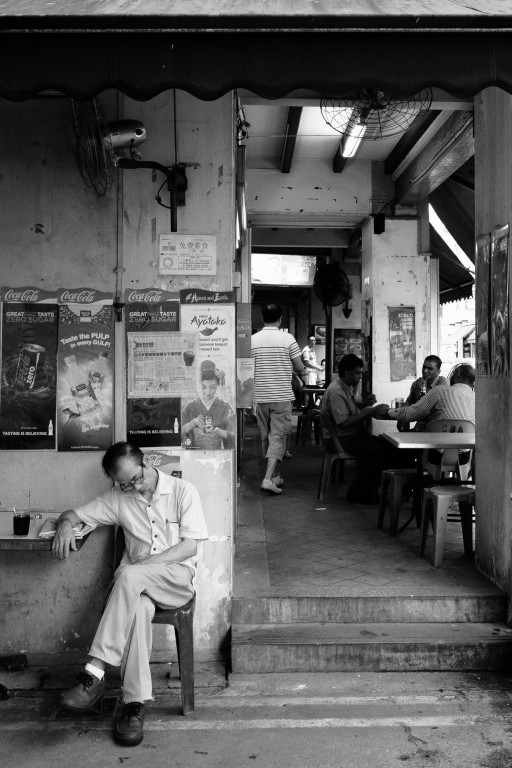
Our first session in the intermediate photography course takes us to the world of street photography as you explore the vibrant streets of Pagoda Street. This session introduces you to the core principles of composition and framing, teaching you how to capture candid moments and tell compelling stories through your lens. You’ll learn to master available light, making the most of natural lighting in urban environments.
A key focus will be on zone focusing, a technique that allows you to capture fast-moving subjects with precision. Through practical exercises and real-time assignments, you’ll refine your ability to compose, frame, and tell stories in dynamic street scenes.
By the end of the session, you’ll be well-equipped with the skills to capture authentic, story-driven street photography with ease.
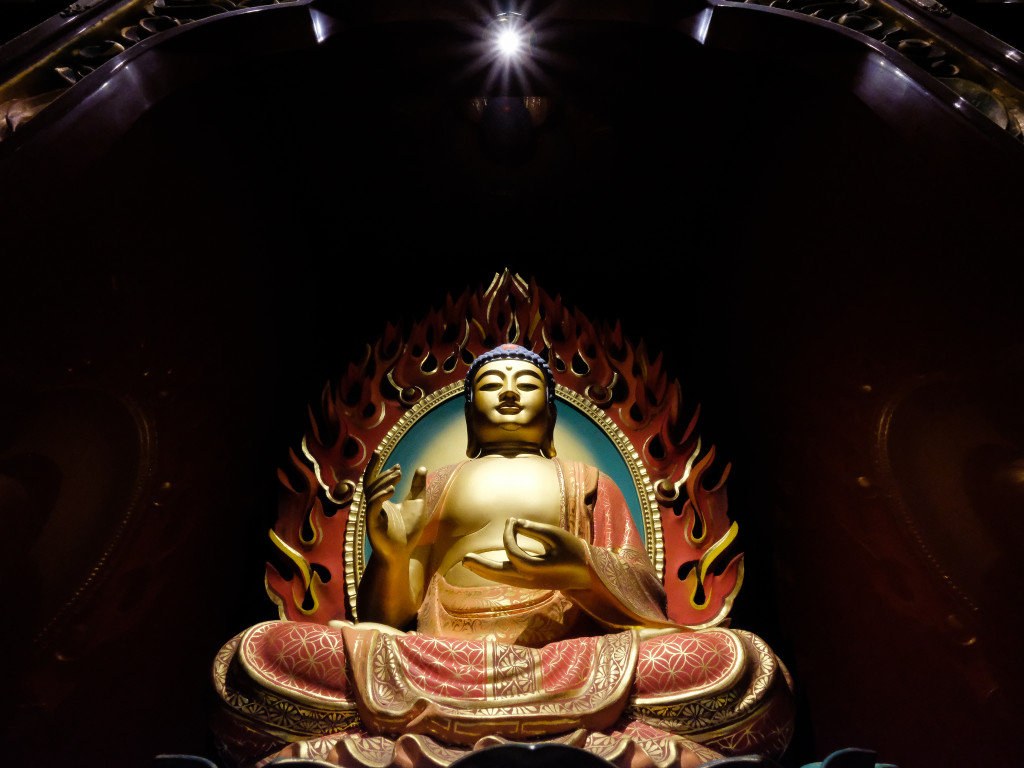
Next, we move indoors to Buddha Tooth Temple for Indoor Photography. Learn how to shoot in confined spaces and make the most of natural and artificial lighting. You’ll practice low-light photography settings, adapt your exposure settings, and experiment with lighting contrasts to create striking images. Symmetry and composition strategies will be a major focus to help you compose beautiful and balanced shots in a variety of indoor settings.
- Key Techniques: Low-light settings, composition strategies, symmetry, and effective use of light and shadow.
- What You’ll Learn: How to adjust settings for indoor environments and how to adapt to different lighting conditions for professional-quality photos.
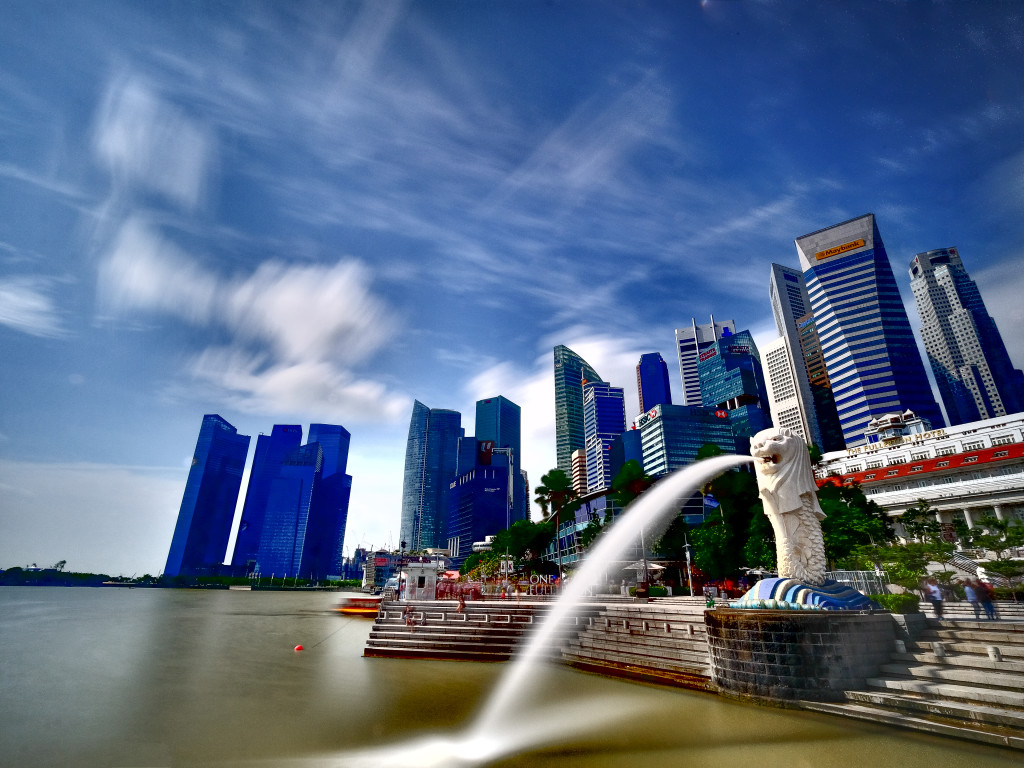
In this session, we’ll explore the iconic Merlion Park, one of Singapore’s most photogenic locations. You’ll learn how to capture breathtaking landscape photography, harnessing both natural and artificial light to enhance your images. With hands-on guidance, you’ll master camera settings and techniques that help bring your landscapes to life.
- Camera Settings: Learn which settings to use for landscape photography, including aperture, shutter speed, and ISO adjustments to achieve the sharpest images.
- Composition: Apply techniques such as the rule of thirds, leading lines, and using foreground and background depth to create more dynamic and visually compelling photos.
- Lighting: Understand how to work with light using your camera’s in-built settings for better exposure and light management, ensuring your landscape photos capture both highlights and shadows perfectly.
- Filters: Get to grips with the correct usage of external filters, including polarizers and ND filters, to enhance your landscape photos, reduce reflections, and balance exposure in bright light.
- Practical Shooting: This is a hands-on session where you’ll put your new skills to practice, receiving personalized guidance on composition, lighting, and the use of filters as you shoot stunning landscapes at Merlion Park.
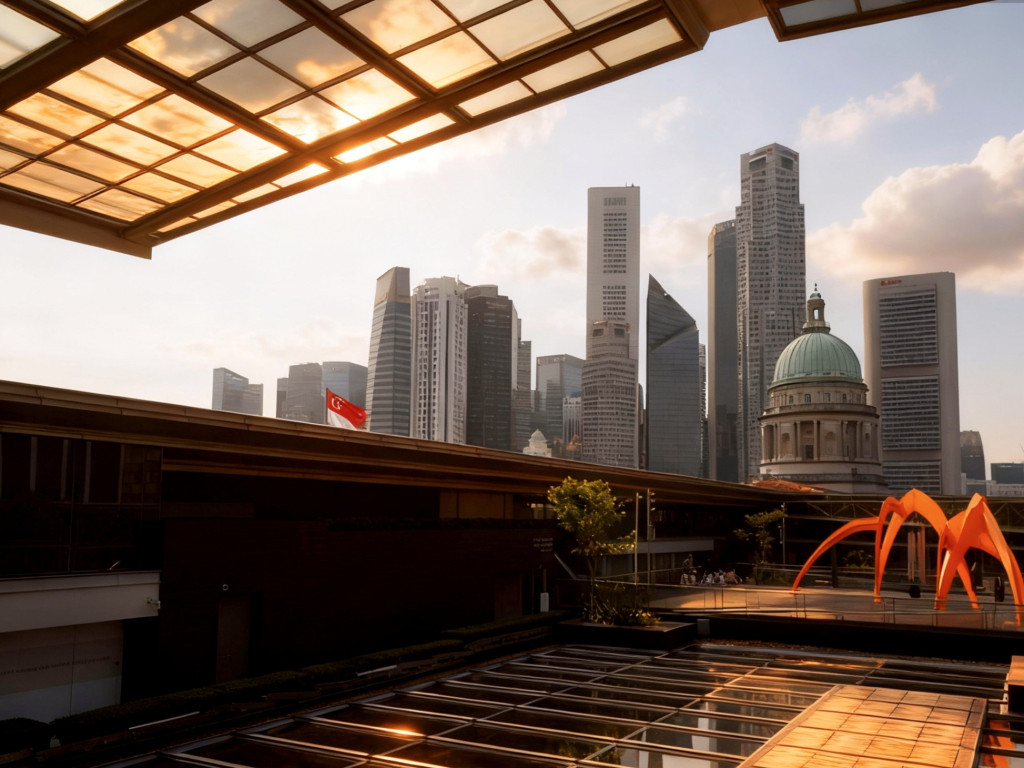
This is the fourth session of our 5-session Intermediate Course, where the focus shifts from technical control to visual intention and style.
Held at the National Gallery Singapore, this session explores how to create atmosphere using light, shadow, and space. Building on what you’ve learned in earlier sessions, you’ll move beyond getting the “correct” exposure and start making deliberate choices that shape mood and storytelling within your images.
Through guided practice, you’ll learn to read light more critically, use shadows to add depth, and compose scenes that feel intentional rather than incidental. The goal is to help you develop a more consistent visual approach, where your photos don’t just document a place, but communicate a clear feeling and perspective.
This session bridges the gap between technical skills and personal style, preparing you for the final stage of the course.
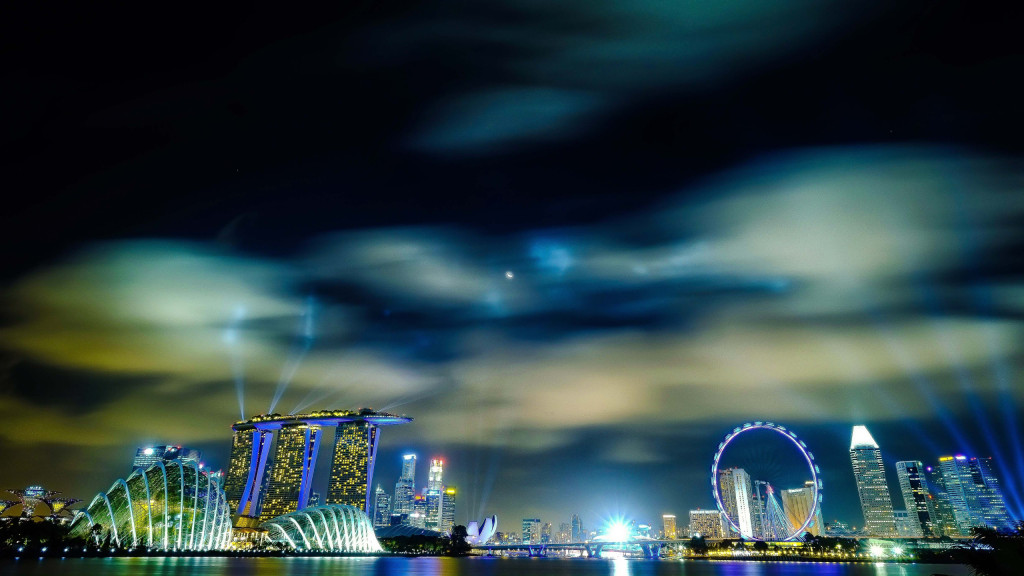
In the last session of our Intermediate Photography Course, we take a deep dive into the world of Night photography, where technical control and creative intent are pushed to their limits. As light fades, the camera no longer compensates for you; you take full command. This session is designed to bridge that gap, transforming low-light uncertainty into deliberate, repeatable results.
Building on your foundation, we move beyond basic exposure into long exposures, light control, and scene interpretation after dark. You’ll learn how to manage dynamic lighting environments, balance artificial and ambient light sources, and maintain clarity and detail in conditions where most images fail. Techniques such as tripod workflow, shutter timing, ISO discipline, and precise focusing in low light become essential tools rather than optional skills.
More importantly, this session reframes how you see at night. Instead of treating darkness as a limitation, you’ll learn to use it as a compositional advantage, isolating subjects, enhancing mood, and creating images with depth and atmosphere that simply cannot exist in daylight.
By the end of this session, you won’t just be “able” to shoot at night, you’ll understand how to control it.
Topics Covered
Street At Pagoda Street
Portraits, Storytelling & Zone Focusing
- Introduction to street photography
- Understanding the importance of composition and framing
- Techniques for capturing candid moments and storytelling
- Mastering the use of available light in street photography
- Understanding zone focusing & its correct application
- Practical exercises and assignments to practice street photography skills
Indoor At Buddha Tooth Museum
Conquer Tricky Lighting & Symmetry
- Overview of indoor photography and its challenges
- Three important keypoints for indoor photography
- The big three camera settings to overcome any indoor situation
- Overcoming artificial and tricky lighting conditions using specialised camera settings
- The importance of symmetry for indoor application
- Creative settings for a impactful indoor results
- The importance of symmetry for indoor application
Landscape At Merlion Park
Advanced Settings, Filters & Light Control
- Camera Settings – Relevant settings for landscape
- Composition – Apply the rule of thirds, leading lines, and foreground-background depth.
- Lighting – Understanding the application of in-built camera settings for better light management.
- Filters – Correct usage of external filters and their application in landscape photography
- Practical Shooting – Hands-on practice with guidance on composition, light, and filters.
- Review & Feedback – Quick image review, improvement tips, and Q&A.
Atmosphere At National Gallery
Light, Shadow & Atmosphere
- Reading Light – Direction, intensity, quality
- Exposure for Mood – Bright vs dark scenes (not just “correct”)
- Working with Shadows – Shape, depth, contrast
- Silhouettes & Highlights – Controlling what to reveal vs hide
- Using Space & Scale – Minimalism, negative space
- Framing with Architecture – Lines, symmetry, leading lines
- Colour vs Monochrome Mood – When to remove colour
- Human Element (Optional) – Adding a story with subjects
- Consistency in a Series – Shooting with a visual theme
- Quick Review & Refinement – Fixing shots on the spot
Boat Quay (Night Practical)
Low Light & Long Exposure Essentials
- Understanding Night Photography
- Challenges and opportunities of shooting in the dark
- Types of night photography: cityscapes, night portraits
- Camera settings for night photography
- Adjusting aperture, shutter speed, and ISO
- Managing noise in low-light environments
- Stability and reducing camera shake using a tripod
- Long exposure techniques – creating artistic effects with light painting
- Introduction to EV stops calculation, aka exposure triangle
Intermediate Photography Course Details
Course Fees
Group Format Course Fee: $358 Participant total for all 5 Sessions

1 on 1 Private Format Course Fee: $628 total for all 5 Sessions
✅ Optional Enhancements (Private Sessions)
Bring a Partner & Save 50% – Enrol together and your partner enjoys 50% off the course fee. Valid for new enrollments only. Both participants must register for the same course and attend the same scheduled sessions.
Our Courses Are Not MySkillsFuture or SkillsFuture Claimable