
Photography Course for Adults: Find the Right Learning Path
What makes the right photography course for adults? It may not be the longest or most advanced option. A better fit is a course that matches your experience, gives you time to practise and helps you make clearer choices when taking photographs. You don’t need advanced equipment or a technical background to begin.
This guide compares short introductions with longer courses, including their session structures and published fees. Use the differences to choose a learning commitment that suits your goals and schedule, whether you’re starting from the basics or building on existing skills.
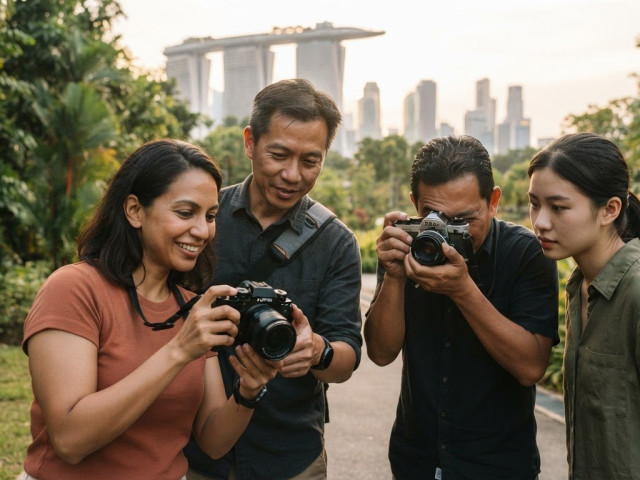
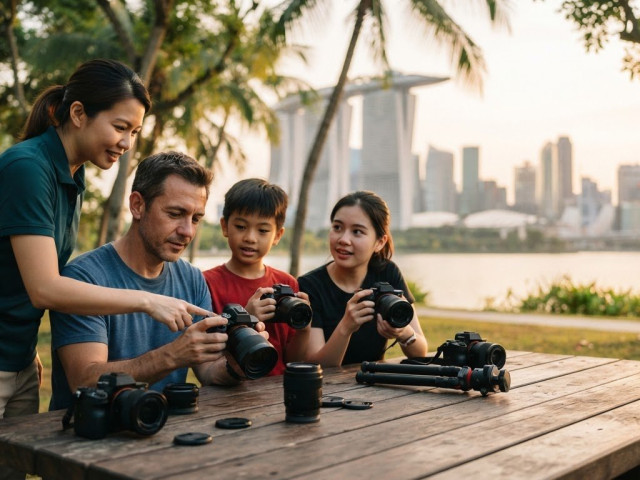
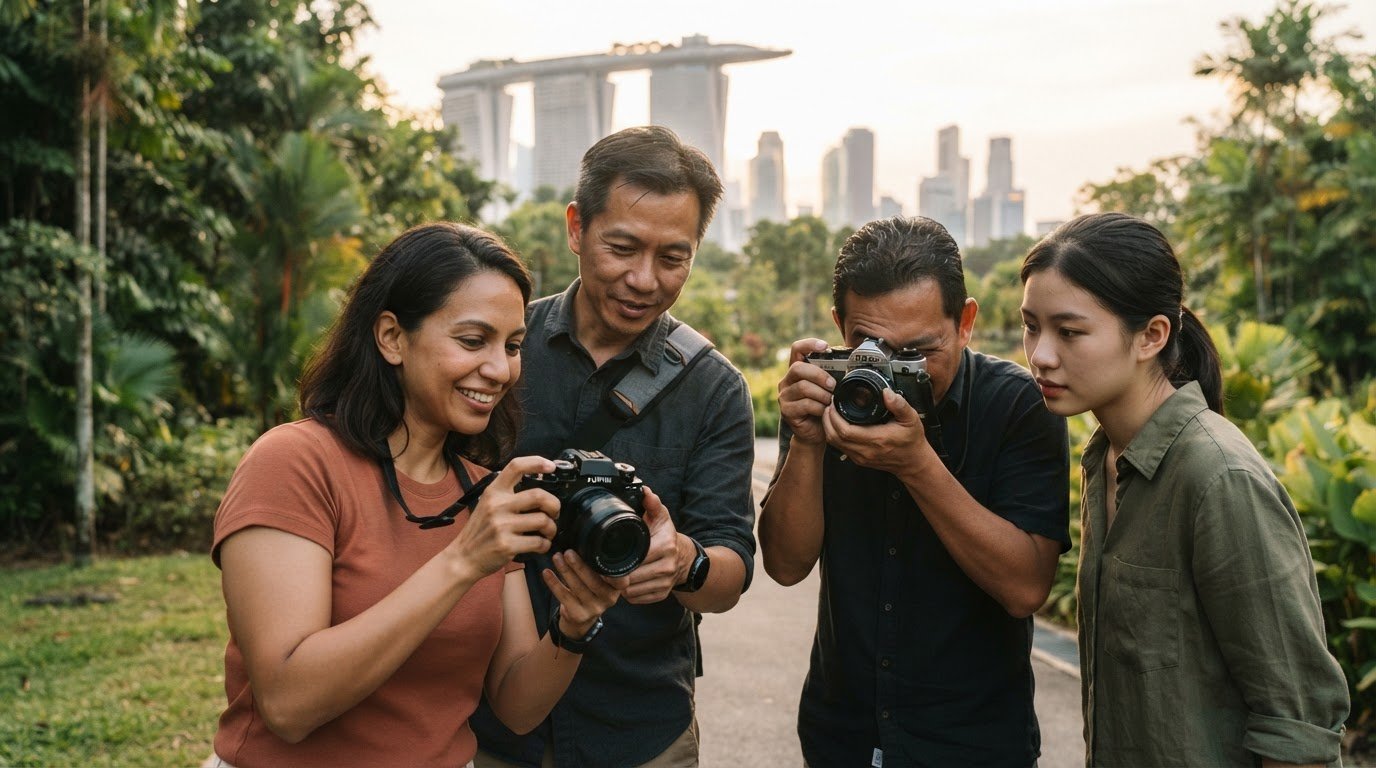
At Pictorial, hands-on courses include practical outdoor shooting in groups of no more than three participants. The Photography Starter Session is a focused introduction, while courses such as the Basic Photography Course and Intermediate Photography Course offer more sessions for continued learning. You can use your own camera or receive a complimentary camera loan (if needed). Start by deciding what you want to photograph and how much time you want to set aside for learning.
Key Takeaways
- Choose a photography course for adults by matching its level and practical approach to your experience and learning goals.
- Compare session count, session length and group or private fees to understand the commitment before choosing.
- The Photography Starter Session is a focused introduction: 1 session, 3 hours; All age, min. 9.
- Set a clear photography goal and assess your current skills. Camera ownership isn’t a measure of readiness.
- Pictorial’s small-group outdoor guidance gives you a chance to practise camera choices in real settings.
Why Adults Choose a Photography Course Instead of Learning Alone
Learning photography on your own can fit around work and family life, and there’s plenty to explore at your own pace. A photography course for adults adds structure and guided practice, helping you turn scattered tips into decisions you can use: where to stand, what to focus on and which camera control to adjust. You don’t need prior experience. Careful observation and repeated practice can help you understand one choice at a time.
What adult beginners often want from photography lessons
Adults often want to take more intentional travel, family or everyday photographs. They may also feel awkward asking what an unfamiliar camera term means, especially when others seem more experienced. A useful lesson leaves room for basic questions and connects new terms to actual photographs. You might begin by noticing the light, choosing a subject, steadying the camera and taking a frame. Then you can review what worked and what you might change next time.
How hands-on practice can make camera concepts clearer
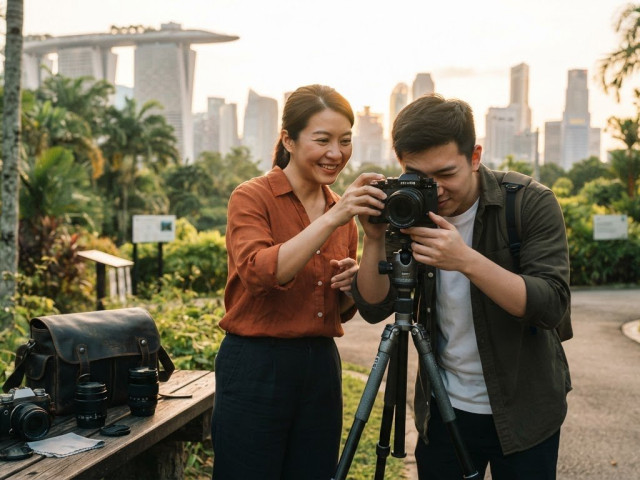
A camera setting makes more sense when you change it, take a photograph and look at the result. For example, adjusting focus while framing a person helps you see how focus affects the subject you want to draw attention to. Outdoor shooting adds practical decisions as light, movement and backgrounds change from one scene to another. When comparing courses, look for a clear description of how learners practise, not just a list of topics.
Self-study offers flexibility, but it can leave you guessing about why a photograph turned out as it did. Guided practice gives you the opportunity to ask questions as they arise and review the choices behind a photograph. A simple process helps: observe the scene, make a camera choice, take the picture and review it. The aim isn’t to memorise every control. It’s to understand which adjustment may help in a particular situation.
A practical adult photography course connects camera choices with photographs you make in real settings. Pictorial’s hands-on courses include practical outdoor shooting, with no more than three participants in a class. This format gives learners space to practise and discuss what they notice as they photograph.
You don’t have to master technical terms before joining a class. Start with what you want to photograph, then build your skills through deliberate practice. A broader look at the History and types of photography can help you explore different approaches. Guided lessons bring the focus back to the scene in front of you. If you already understand the basics and want to progress, the Intermediate Photography Course is one option to consider.
What to Compare in a Photography Course for Adults
A useful comparison goes beyond the course title. Check the level, session structure, practical format and fee. Also consider whether you want to learn in a group or privately. These details make it easier to choose a photography course for adults that feels manageable at the start and has a suitable next step if you want to continue.
Match the course level to your experience
If you’re new to photography, an introductory session or basic course offers a starting point. The Intermediate Photography Course is a comparison for learners ready to progress beyond the basics, while the Advanced Photography Masterclass is aimed at advanced study. A longer course allows more sessions, but length alone does not guarantee a particular skill outcome.
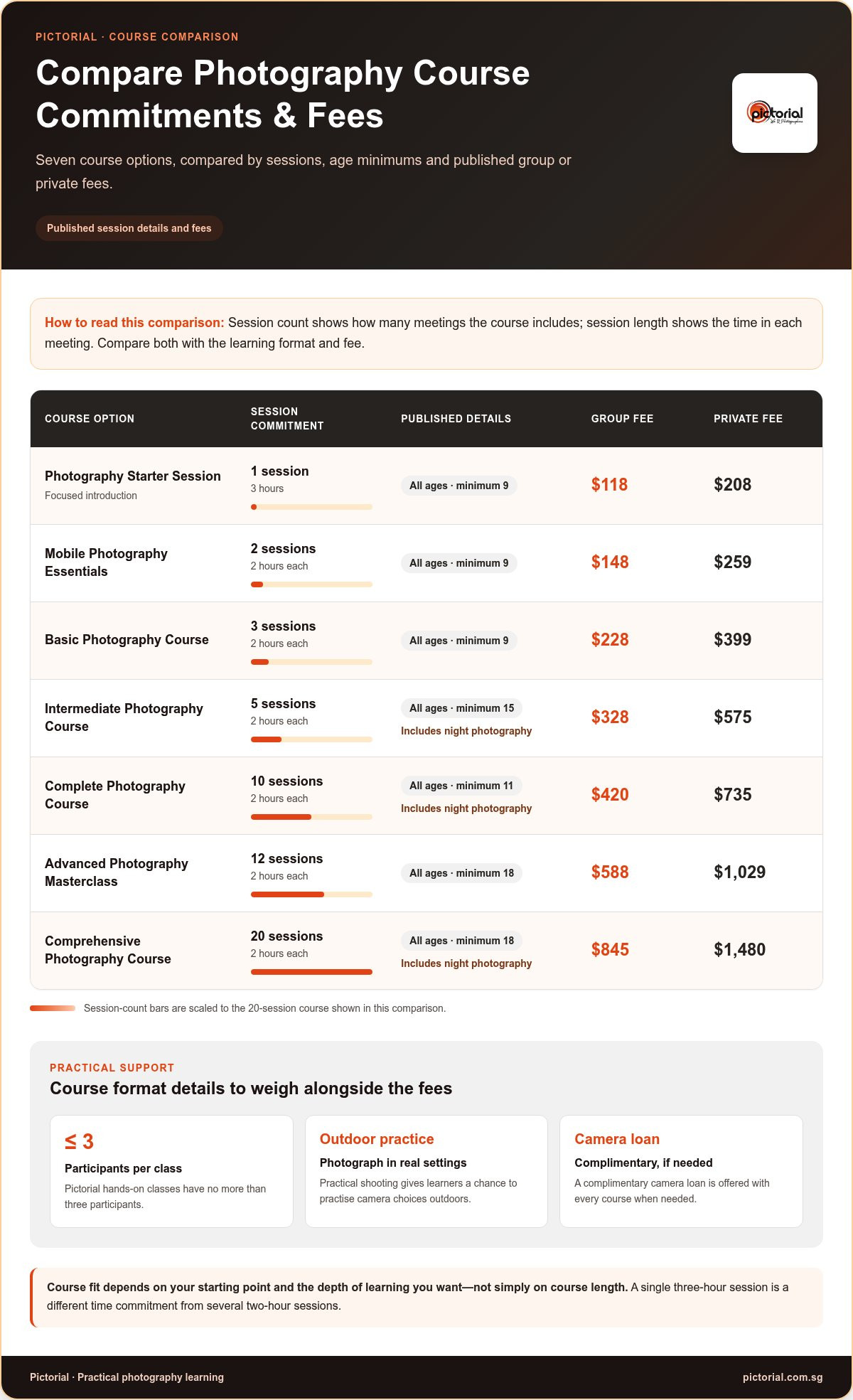
Use the published session details, age minimums and fees to compare the options. The group and private fees below are listed separately, so you can weigh the cost against the format and time commitment:
| Course option | Published details | Group and private fees |
|---|---|---|
| Photography Starter Session | 1 session, 3 hours; All age, min. 9. | Group: $118; Private: $208. |
| Mobile Photography Essentials | 2 sessions, 2 hours each; All age, min. 9. | Group: $148; Private: $259. |
| Basic Photography Course | 3 sessions, 2 hours each; All age, min. 9. | Group: $228; Private: $399. |
| Intermediate Photography Course | 5 sessions, 2 hours each; All age, min. 15; includes night photography. | Group: $328; Private: $575. |
| Complete Photography Course | 10 sessions, 2 hours each; All age, min. 11; includes night photography. | Group: $420; Private: $735. |
| Advanced Photography Masterclass | 12 sessions, 2 hours each; All age, min. 18. | Group: $588; Private: $1,029. |
| Comprehensive Photography Course | 20 sessions, 2 hours each; All age, min. 18; includes night photography. | Group: $845; Private: $1,480. |
Course fit depends on your starting point and the depth of learning you want, not simply on how long the course runs. Session count and session length measure different things: one tells you how many times you’ll meet, while the other tells you the time spent in each session. A single three-hour session is a different commitment from a course with several two-hour sessions.
Compare practical support and learning format
Check what happens during learning time and what practical support is included. Pictorial classes have a maximum of three participants, and a Complimentary camera loan (if needed) is offered with every course. Outdoor practice lets you try camera controls while responding to real scenes. AARP also offers an adult-focused introduction covering photography basics, composition and editing in its beginner photography course.
As you compare, note the details that matter to you: course level, session structure, fee and whether the format suits how you prefer to learn. Review Pictorial’s photography course options with those criteria in mind, then choose a learning path that feels relevant and manageable.
Which Pictorial Photography Course Fits an Adult Learner?
The right course depends on how much structure you want, what you already know and how far you’d like to progress. A single session can introduce photography, while a course with more sessions gives you additional time to work through the learning process. Compare the stated session structure, course level and age minimum rather than assuming every course offers the same experience.
Choose a shorter introduction or a progressive course
The Photography Starter Session suits adults who want an introduction without committing to a longer course. It is 1 session, 3 hours; All age, min. 9. It offers a first step, not a promise of mastery in one sitting. For foundational learning across multiple sessions, the Basic Photography Course is 3 sessions, 2 hours each; All age, min. 9.
If you’re ready to build on the basics, consider the Intermediate Photography Course: 5 sessions, 2 hours each; All age, min. 15. It includes night photography. The Complete Photography Course provides a longer pathway at 10 sessions, 2 hours each; All age, min. 11. It also includes night photography, photo critique and a revisit session.
- Photography Starter Session: 1 session, 3 hours; All age, min. 9.
- Basic Photography Course: 3 sessions, 2 hours each; All age, min. 9.
- Intermediate Photography Course: 5 sessions, 2 hours each; All age, min. 15; includes night photography.
- Complete Photography Course: 10 sessions, 2 hours each; All age, min. 11; includes night photography.
When a longer course may suit your learning goals
A longer course may suit you if you want more sessions to work through a sequence of learning. The Complete Photography Course includes a photo critique session and revisit session. The benefit is listed as: Photo critique session + revisit session – included in Complete Photography Course (private format at no extra cost).
Think about how much time you can set aside and whether you want an introduction, a foundation or a more extended progression. Session totals describe the course structure, not a guaranteed outcome. If you’re comparing a photography course for adults, the Complete Photography Course Singapore is a longer option, while the Starter Session keeps the commitment to one session.
You don’t need to choose the longest path to take learning seriously. Start with the amount of guidance and practice that suits you now. A clear first step can help you decide whether you want to continue.
How to Decide Which Adult Photography Class Suits Your Life
A little planning can make the choice easier. You don’t need to own a particular camera or arrive with technical knowledge. Think first about what you want to photograph, then choose a course structure that fits your experience and available time. This helps you select a useful starting point without feeling that you must commit to the most advanced option.
Set a realistic learning goal before enrolling
Name the situations you most want to photograph, such as family gatherings, travel scenes or everyday moments. Then choose one immediate priority: learning camera controls, composing a clearer frame or becoming more comfortable photographing outdoors. A specific goal can help you decide whether a short introduction suits you or whether you’d value learning across more sessions.
- Define a goal. Choose the subjects or situations you want to photograph and one skill you hope to practise.
- Assess your experience. Consider whether you’re starting from scratch, familiar with basic controls or ready to build on existing knowledge.
- Choose your commitment. Decide whether you prefer an introduction or a course spread across more sessions.
- Review practical support. Consider the learning format and whether you can use your own camera or receive a loan camera.
Camera ownership is separate from readiness to learn. Having a camera doesn’t mean you must already know its settings, and not owning one doesn’t need to stop you from beginning. Pictorial offers a Complimentary camera loan (if needed) with every course, so you can begin without buying equipment first.
Check the practical details that affect commitment
Compare the exact session count and duration for the course you’re considering. One session and a multi-session course require different amounts of time and offer different structures for working through the material. Pictorial’s courses have their own published schedules, so choose based on the structure for the specific course rather than assuming all options follow the same timetable.
If you’re new to photography and want a foundation, the Basic Photography Course is one option to consider. It is 3 sessions, 2 hours each; All age, min. 9. The Photography Starter Session is a shorter introduction at 1 session, 3 hours; All age, min. 9. Comparing these details can help you decide whether you prefer a focused introduction or learning spread across several sessions.
Keep your decision practical. Consider your experience, your goal and the time you can comfortably set aside. If you’re still defining your starting point, ask yourself what you want to photograph and what you’d like to understand better. Those answers can help you choose a photography course for adults that feels like a sensible next step.
Start Learning Photography with Patient, Practical Guidance
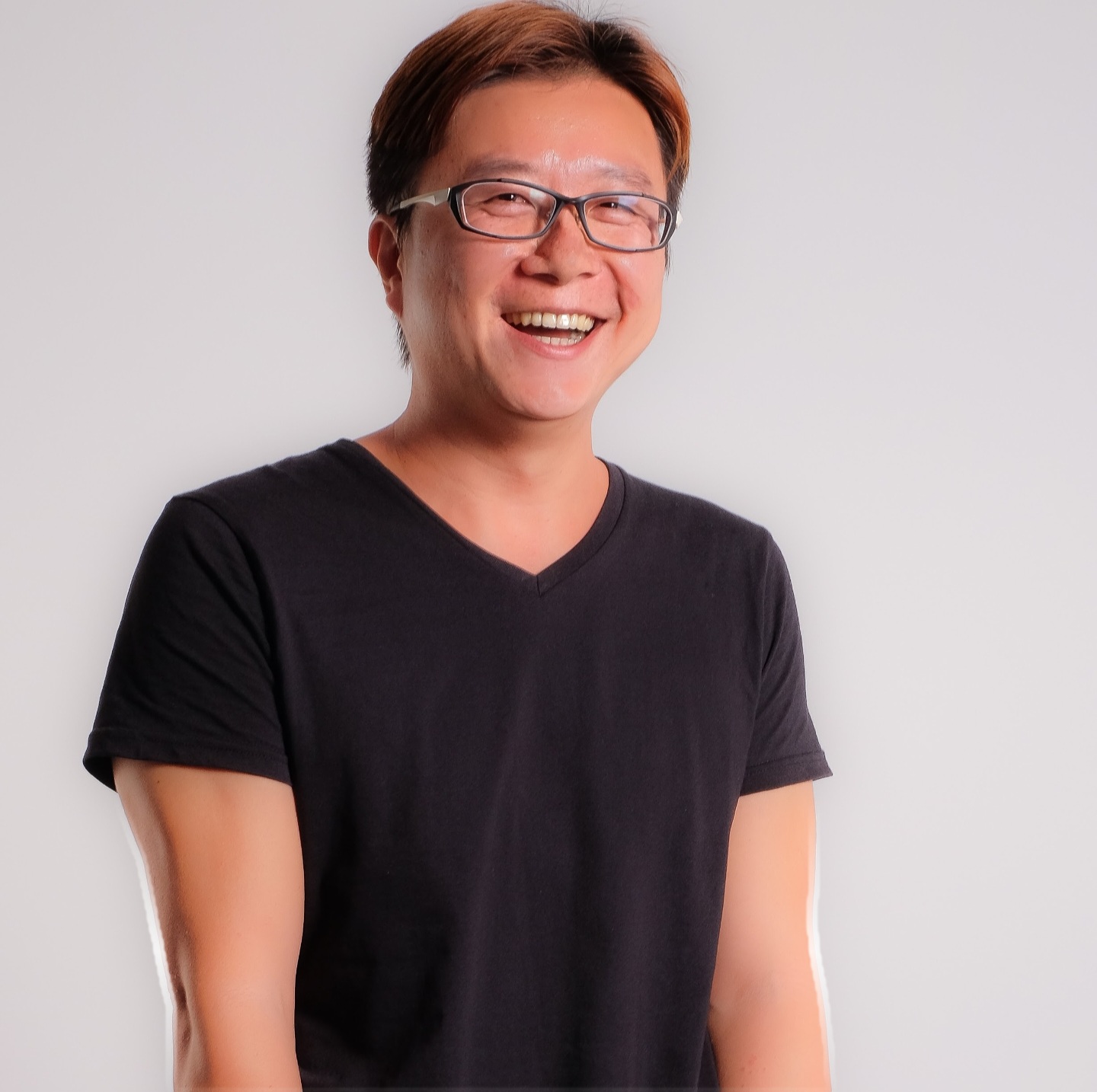
Starting a new skill as an adult can feel easier when you know what the learning environment is like. Pictorial was founded in 2005 and is led by professional photographer Keith. The institute has taught more than 20,000 students, and classes have a maximum of three participants. These details describe the school’s experience and small-group format, while each learner’s progress develops through their own practice.
What learners can expect from Pictorial’s teaching approach
Pictorial’s courses are hands-on, with practical outdoor shooting and guidance as learners work with their cameras. A group of no more than three participants creates room to ask questions and focus on the decisions involved in making a photograph. You can bring your own camera or receive a Complimentary camera loan (if needed). A Certificate of Completion is offered with every course.
You don’t have to arrive knowing every setting or technical term. Practical instruction gives you the chance to try a control, look at the result and consider what you might change in the next frame. Outdoor scenes provide real subjects to work with, connecting explanations to the choices you make while photographing. Observe, make a picture and build understanding through practice.
Small-group learning also gives you room to pause and ask questions. There’s no need to pretend you understand a concept before you do. Direct guidance can help clarify each step, while the photographs you make will reflect your own attention and practice.
Take a simple next step toward learning
If you’re weighing a short introduction against a longer course, start with the commitment that feels manageable. The Photography Starter Session offers a straightforward way to begin; learners who want a more extended path can compare the available course levels and formats. Your experience, schedule and photography goals can help narrow the choice without requiring advanced equipment.
Take time to think about what you’d like to photograph and the kind of guidance that would help you feel at ease. Then review the course options and choose a sensible starting point. A photography course for adults should support learning at a pace and depth that suit the person behind the camera.
Take the Next Step at Your Own Pace
You don’t need to have every detail worked out before you begin. Start with one intention, such as making more thoughtful photographs of everyday moments, and let that guide your choice. The right photography course for adults is one that makes learning feel possible now while leaving room for your interests to grow.
Begin with curiosity rather than a demand for perfect results. Each time you pause to notice a scene, frame it and make a photograph, you’re practising how to see. That steady attention can make photography more rewarding, whether you’re learning for personal enjoyment or exploring a creative direction.
Frequently Asked Questions
Can adults learn photography if they have no experience?
Yes, adults can start without knowing camera settings or technical terms. Begin by choosing a subject, such as a flower or a moving person, and notice what happens when you focus and take a picture. A beginner-friendly photography course for adults can introduce concepts as they become useful, helping you connect each new idea to a photograph rather than memorising controls first.
Do I need to own a camera before joining a photography course?
No, you don’t need to own a camera to get started with Pictorial. A Complimentary camera loan (if needed) is offered with every course. If you already have a camera, bringing the one you use at home can help you practise with its buttons and menus. Either way, you can focus on learning how to make a photograph instead of delaying your first lesson to buy equipment.
Is a photography course useful for adults who only take pictures as a hobby?
Yes, lessons can be useful even if photography is something you enjoy as a hobby. You might want to make clearer pictures of a meal, capture a family gathering in changing light or frame a favourite view more deliberately. Learning to notice backgrounds and focus points can help you make more intentional photographs. You don’t need plans to become a professional to benefit from structured practice.
Can I take a photography course using a smartphone?
Yes, Pictorial offers Mobile Photography Essentials for learners who want to practise with a phone. A smartphone is a useful camera for exploring framing, focus and light because it’s often the device already at hand. For example, try moving a step to change the background before taking a picture. Lessons can help you make more deliberate choices with the phone camera you use in daily life.
How do I know whether a group or private photography class suits me?
Choose a group class if you’re comfortable learning alongside others and hearing questions that may help you think about your own photographs. Pictorial’s group classes have a maximum of three participants. A private class may suit you if you prefer a private format. Consider which setting feels more comfortable for asking questions, practising and discussing what you notice.
What should I look for in a photography course for adults?
Look for a course level that matches your experience, clear session details and a chance to practise. Consider your own aim too: learning camera controls is different from exploring composition or using a phone camera. A practical photography course for adults should make its format and structure clear, so you can decide whether it fits your interests and the time you’re ready to set aside.
Can I receive a certificate after completing a photography course?
Yes, a Certificate of Completion is offered with every Pictorial course. It records that you completed the course, while the lasting value of learning comes from applying what you’ve practised to your own photographs. You might revisit a familiar subject and notice how you frame it differently. That personal practice can continue beyond the final lesson.
Disclaimer
© Pictorial | All Rights Reserved.