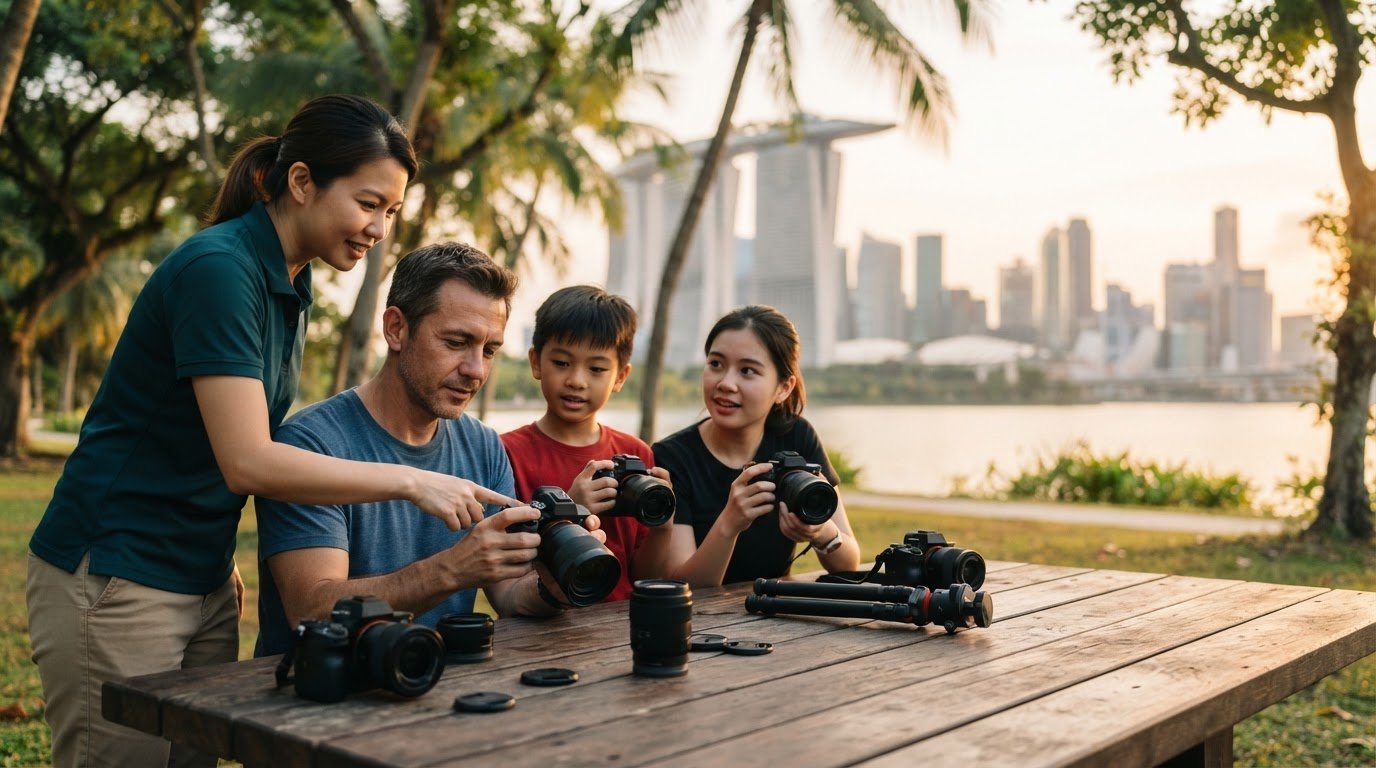

Weekend Photography Class: Find a Practical Course That Fits
What if you could use your weekend to practise photography instead of guessing at camera settings? A weekend photography class gives you time to learn with guidance and try what you learn on real scenes. If you’re starting from scratch, the right course can make unfamiliar controls easier to approach, one step at a time.
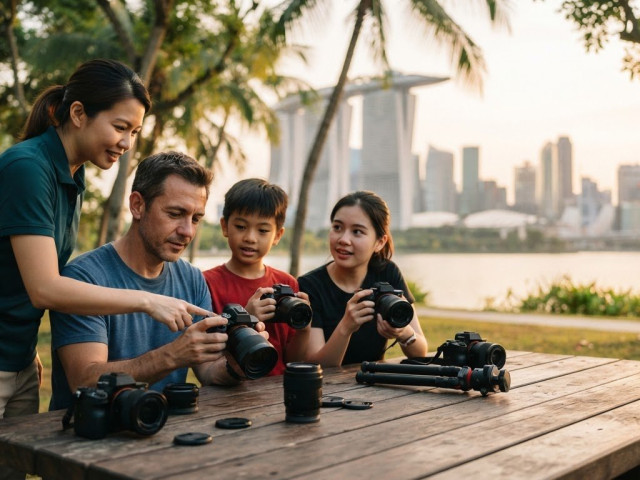
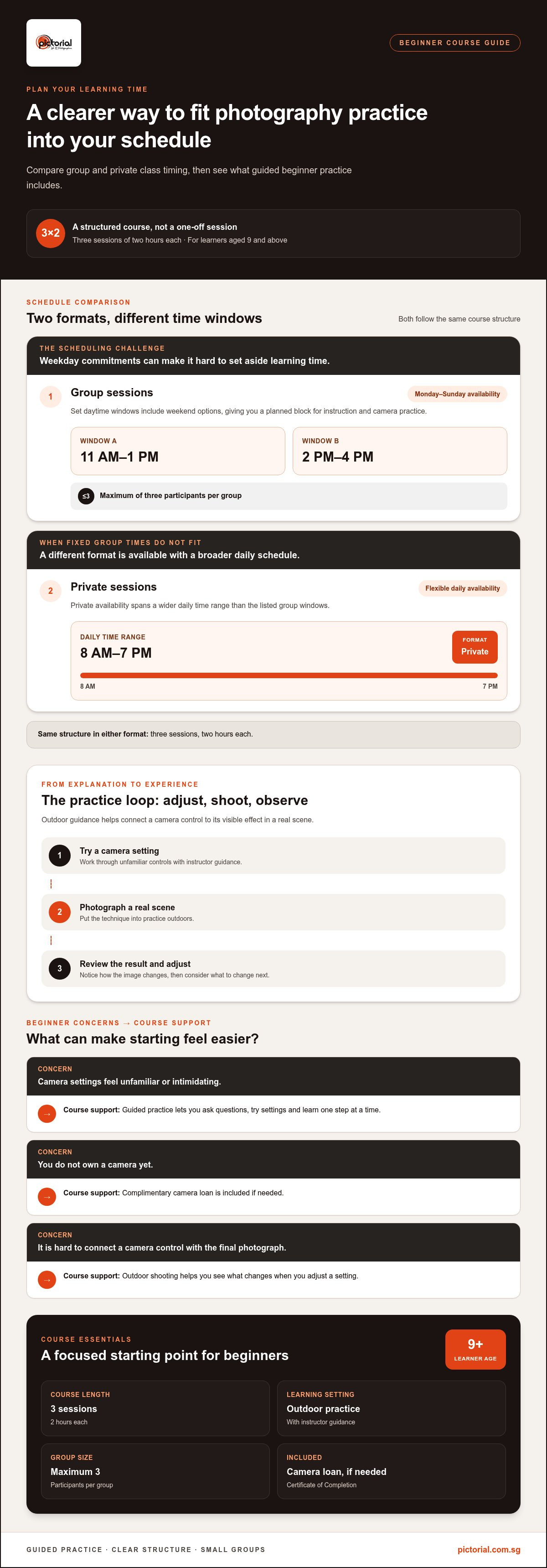
Pictorial’s Basic Photography Course gives beginners a clear structure: three sessions of two hours each, with group availability Monday-Sunday at 11 AM-1 PM or 2 PM-4 PM. Groups have a maximum of three participants, and practical outdoor guidance lets you try settings, ask questions and learn as you shoot.
This guide explains what to expect, how group and private schedules compare, and what to consider before choosing a class. The Basic Photography Course is for learners aged 9 and above and includes a Complimentary camera loan (if needed), so owning a camera isn’t a requirement for getting started.
Key Takeaways
- A weekend photography class sets aside time for guided camera practice, making it easier to learn around weekday commitments.
- Pictorial’s Basic Photography Course is for beginners aged 9 and above and consists of three sessions of two hours each.
- Group sessions are available Monday-Sunday, 11 AM-1 PM or 2 PM-4 PM. Private availability is flexible daily, 8 AM-7 PM.
- Compare your experience, learning goals, preferred schedule and camera access to decide whether the course fits.
- Review the course structure and choose the format that works for your routine.
What should you expect from a weekend photography class?
Weekday commitments can make it difficult to set aside time to learn photography. A weekend photography class gives you a planned block for instruction and camera practice, without squeezing lessons into a busy workweek.
A practical photography class combines clear instruction with guided camera use, so you can test a technique on a real scene instead of only reading about it. Tutorials can introduce ideas, but in a class you can ask questions as you work through unfamiliar controls. Photography covers a broad mix of history, techniques and applications, as outlined in this overview of the history and techniques of photography. Hands-on practice helps connect those ideas to the choices you make behind the camera.
The Basic Photography Course for beginners is for learners aged 9 and above and consists of three sessions of two hours each. Returning to the camera across separate sessions gives you time to practise the fundamentals. Outdoor shooting puts those ideas into context: you can adjust a camera control, look at the result and consider what to change next. Group sessions are available on weekends in set daytime windows.
Who benefits most from a weekend photography class?
Beginners who find camera settings intimidating can benefit from guidance as they learn what the controls do and when to use them. You don’t need to arrive with polished technique. Curiosity and a willingness to practise are a useful starting point. A weekend format can also suit busy learners who prefer to make time for photography outside the workweek.
You don’t need to own a camera before learning. Every course includes a Complimentary camera loan (if needed), so you can take part without bringing your own equipment. That removes one practical hurdle and lets you focus on observing a scene, trying a setting and seeing how the camera responds.
What makes a class practical rather than purely theoretical?
In a practical class, instruction is followed by time to handle the camera and photograph outdoors. You can test a setting against a real scene, notice how the image changes, then adjust your approach with instructor guidance. For example, compare how your exposure choices affect bright areas and shadows. The aim is to connect a control to its visible effect, one step at a time.
Small groups make room for questions and guidance during practice. Pictorial’s classes have a maximum of three participants, so you can work through the fundamentals in a focused setting rather than trying to absorb every camera setting at once. The course balances explanation with the useful habit of observing, adjusting and shooting.
What will you learn in the Basic Photography Course?
Manual camera controls can feel like a lot to manage when each setting seems to affect something different. The Basic Photography Course offers beginners a structured way to approach the fundamentals. It is for learners aged 9 and above and consists of three sessions of two hours each. The sessions provide time to practise core concepts and see how camera choices shape a photograph.
Practice connects camera settings to photographs: change a control, take a picture and observe the difference. This simple cycle helps relate technical ideas to what you see through the viewfinder. A weekend photography class gives you a scheduled opportunity to build that understanding with instructor guidance and outdoor shooting practice.
How do ISO, aperture, and shutter speed fit together?
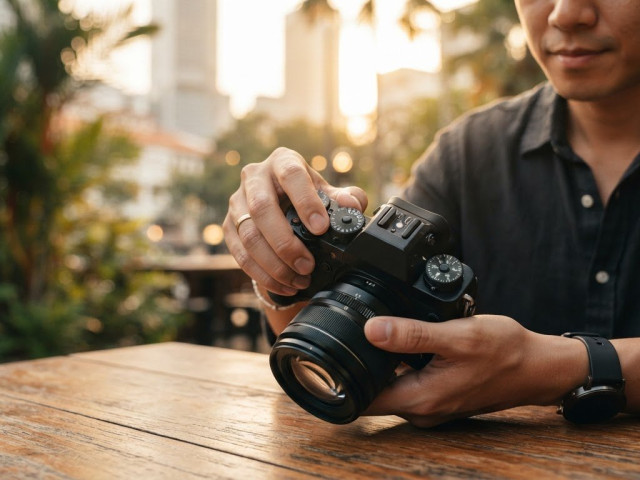
These three controls influence how a camera records light. ISO affects the camera sensor’s sensitivity to light. Aperture describes the opening in the lens. It affects the amount of light entering the camera and how much of the scene appears in focus. Shutter speed controls how long the camera records light, influencing how movement is captured.
Imagine photographing someone walking in a bright outdoor scene. If the image looks too dark, changing an exposure setting can make it brighter, but it may also affect movement or the area in focus. Practise one adjustment at a time so you can notice the trade-off instead of treating settings as mysterious numbers. For a next step after the basics, this beginner manual-control guide explores how to move beyond automatic mode.
What support can a beginner expect during practice?
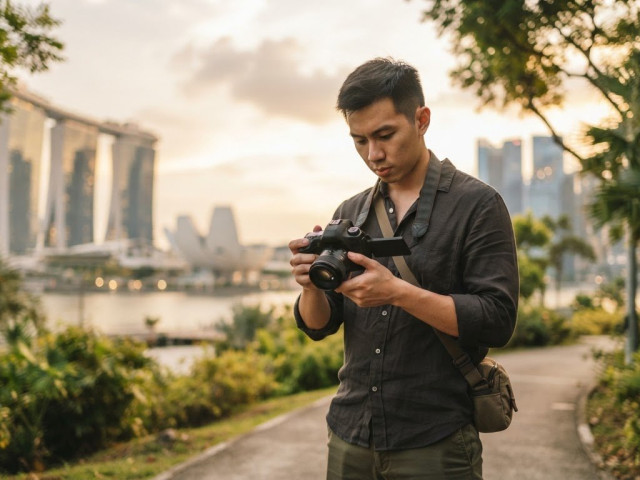
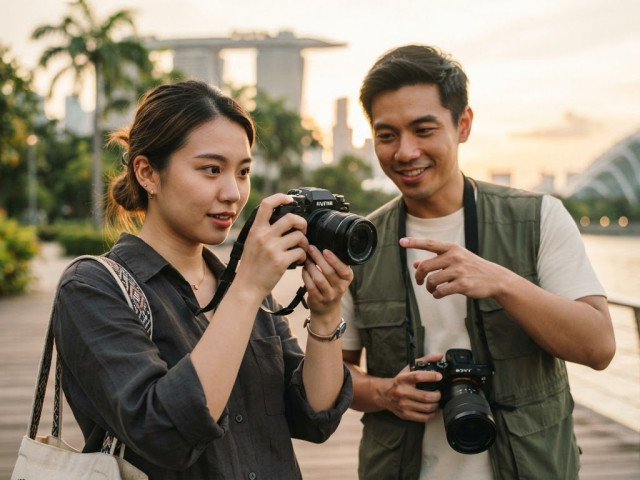
Outdoor shooting gives you a real scene to work with. With instructor guidance, you can try a setting, review what the camera captured and decide what to adjust next. This connects an explanation with a photograph you made yourself. A small group also gives you room to ask questions as you work through unfamiliar controls.
Groups have a maximum of three participants. Every course includes a Complimentary camera loan (if needed) and a Certificate of Completion. You can begin learning even if you don’t own a camera.
The course focuses on foundational camera skills and supported practice, making it relevant whether you want to take more considered photographs as a hobby or understand your camera better. If that beginner focus matches your goals, review the Basic Photography Course details to see how its format fits your plans.
How do weekend group and private class schedules compare?
Clear time windows make it easier to plan. For the Basic Photography Course, group sessions are available Monday-Sunday, 11 AM-1 PM or 2 PM-4 PM. This includes weekend options, so you can plan a weekend photography class around your usual commitments. Private availability is flexible daily, 8 AM-7 PM.
Both formats follow the same course structure of three sessions of two hours each. Use the comparison below to decide which format and time window best suit your routine.
| Format | Availability | Useful if you prefer |
|---|---|---|
| Group | Monday-Sunday, 11 AM-1 PM or 2 PM-4 PM | Practising alongside other learners in a group of no more than three participants. |
| Private | Flexible daily, 8 AM-7 PM | A private learning format with flexible daily hours. |
Which format suits your learning preferences?
Choose the group format if you’re comfortable learning alongside others and want to practise in a small-group setting. With a maximum of three participants, the class stays small while still offering a shared learning environment. Private learning offers a different setting and flexible daily availability from 8 AM-7 PM. Consider both the kind of environment you prefer and the hours that work for you.
How can you plan around three course sessions?
The Basic Photography Course consists of three sessions of two hours each. Look at your regular commitments, then consider whether the group window of 11 AM-1 PM or 2 PM-4 PM is easier to fit into your schedule. If you prefer private learning, its flexible daily hours offer another option.
Think about what your routine allows. A weekend group window may be easier to manage than a weekday, while private availability offers a wider choice of daily hours. The three-session course structure is the same whichever format you choose. Reviewing the Basic Photography Course details can help you compare the schedule with your calendar and choose an option that feels manageable.
How can you decide whether this photography class is right for you?
A suitable class should match your starting point, learning goals and available time. The Basic Photography Course is for beginners aged 9 and above who want guided foundations rather than advanced instruction. If you’re still deciding what kind of learning would help, this beginner’s guide to learning photography can help you consider your next step.
What should you consider before choosing a class?
Use this checklist to compare your needs with the course format. Be honest about your experience and schedule; the best fit is the one that supports the way you want to learn.
- Experience: Are you learning camera basics for the first time, or do you already understand the foundations and want more advanced development? The Basic Photography Course is a beginner-level option.
- Learning goals: Do you want to understand fundamental camera controls and practise using them, or are you looking for more advanced instruction? Clear goals make it easier to choose a suitable level.
- Schedule: Group availability is Monday-Sunday, 11 AM-1 PM or 2 PM-4 PM. Private availability is flexible daily, 8 AM-7 PM. Consider which window is realistic alongside your weekly commitments if you’re planning a weekend photography class.
- Camera access: Every course includes a Complimentary camera loan (if needed). You don’t need to own a camera to begin.
How can you feel more confident before enrolling?
Start with the practical details: the Basic Photography Course is for learners aged 9 and above and consists of three sessions of two hours each. Group classes have a maximum of three participants and include outdoor guidance. Every course also includes a Certificate of Completion. These details make it easier to picture the learning format and decide whether it suits you.
You can also read student testimonials as you consider whether the course matches your goals. Then return to the checklist: does beginner-level guidance suit your experience, can one of the stated time windows fit your routine, and would the camera loan be useful? If the answers point to a good fit, review the course details and register.
Register for the Basic Photography Course
How do you take the next step toward a weekend photography class?
Once the course level and format seem right, review the learner’s age, course structure and available time windows, then register. The Basic Photography Course is for learners aged 9 and above and consists of three sessions of two hours each. Group availability is Monday-Sunday, 11 AM-1 PM or 2 PM-4 PM, including weekend options. Private availability is flexible daily, 8 AM-7 PM.
What should you have clear before registering?
Keep these practical details in mind as you decide whether the beginner course fits:
- Age: The learner must be at least 9 years old.
- Course structure: Plan for three sessions of two hours each.
- Class format and timing: Group sessions are available Monday-Sunday, 11 AM-1 PM or 2 PM-4 PM. Private availability is flexible daily, 8 AM-7 PM.
Choose the format and time window that best match your routine. Considering your preference in advance makes it easier to take the next step with a clear sense of how the course fits your schedule.
Where can you review course details and register?
Visit the Basic Photography Course page to review its details, then follow the registration steps when you’re ready. Matching the course format to your schedule can help you feel prepared to start learning.
Before registering, make sure the learner meets the minimum age, the three-session structure suits your plans, and the group or private time windows fit your routine. This gives you a clear basis for choosing a format and moving ahead with your weekend photography class.
The Basic Photography Course combines three two-hour sessions for learners aged 9 and above with small-group learning, outdoor guidance and a Certificate of Completion.
Register for the Basic Photography Course
Make space for your next frame
Learning photography doesn’t require a perfect plan or a complicated camera. Start by noticing how light falls across an everyday scene, then make a deliberate choice about what you want your photograph to show. A weekend photography class gives you time to practise with guidance, one step at a time.
Pictorial was founded in 2005 and is led by professional photographer Keith. The institute has taught more than 20,000 students, and every course includes a Complimentary camera loan (if needed). If you’re ready to move from thinking about photography to practising it, the Basic Photography Course offers a structured beginner format.
As you consider your next step, think about the kind of pictures you’d like to make. A familiar subject, such as a plant by a window or a scene on your usual walk, gives you something simple to observe and photograph. Begin with curiosity, then let practice build from there.
Your first photographs don’t need to be extraordinary. Let them give you a reason to keep looking, learning and enjoying the process.
Frequently Asked Questions
Is a weekend photography class suitable for complete beginners?
Yes. A weekend photography class can suit someone starting from scratch, especially if learning camera controls alone feels confusing. Pictorial’s Basic Photography Course introduces ISO, aperture and shutter speed through a structured beginner format. It is for learners aged 9 and above and consists of three sessions of two hours each. You can begin by noticing how the controls affect a simple subject, such as a flower or a person standing in shade.
Can I join a photography class if I do not own a camera?
Yes. Every Pictorial course offers a Complimentary camera loan (if needed), so you can practise without owning a camera. During outdoor practice, you can try camera controls on real scenes and observe how your choices affect the result.
What time are the weekend photography classes available?
For the Basic Photography Course, group availability is Monday-Sunday, 11 AM-1 PM or 2 PM-4 PM, including weekend days. The course consists of three sessions of two hours each. Consider which time window fits your routine when planning your classes.
How many sessions are in the Basic Photography Course?
The Basic Photography Course consists of three sessions, each lasting two hours. It is for learners aged 9 and above, and every course includes a Certificate of Completion. Group sessions are available Monday-Sunday, 11 AM-1 PM or 2 PM-4 PM. These details can help you decide whether the course length and format suit the learner’s plans.
What camera skills can I learn in a beginner photography class?
A beginner class can introduce how ISO, aperture and shutter speed influence a photograph. When photographing a still object outdoors, for example, you can see how changing a setting affects the image and consider whether the result suits what you noticed in the scene. Pictorial’s Basic Photography Course includes practical outdoor guidance for working with camera controls.
Is a small photography class better than learning alone?
It depends on how you prefer to learn. Self-study lets you explore at your own pace, while a class provides instructor guidance as you practise and a chance to ask about unclear settings. Pictorial classes have a maximum of three participants. If you learn best by trying a setting and discussing what happened, guided practice may suit you.
Disclaimer
© Pictorial | All Rights Reserved.