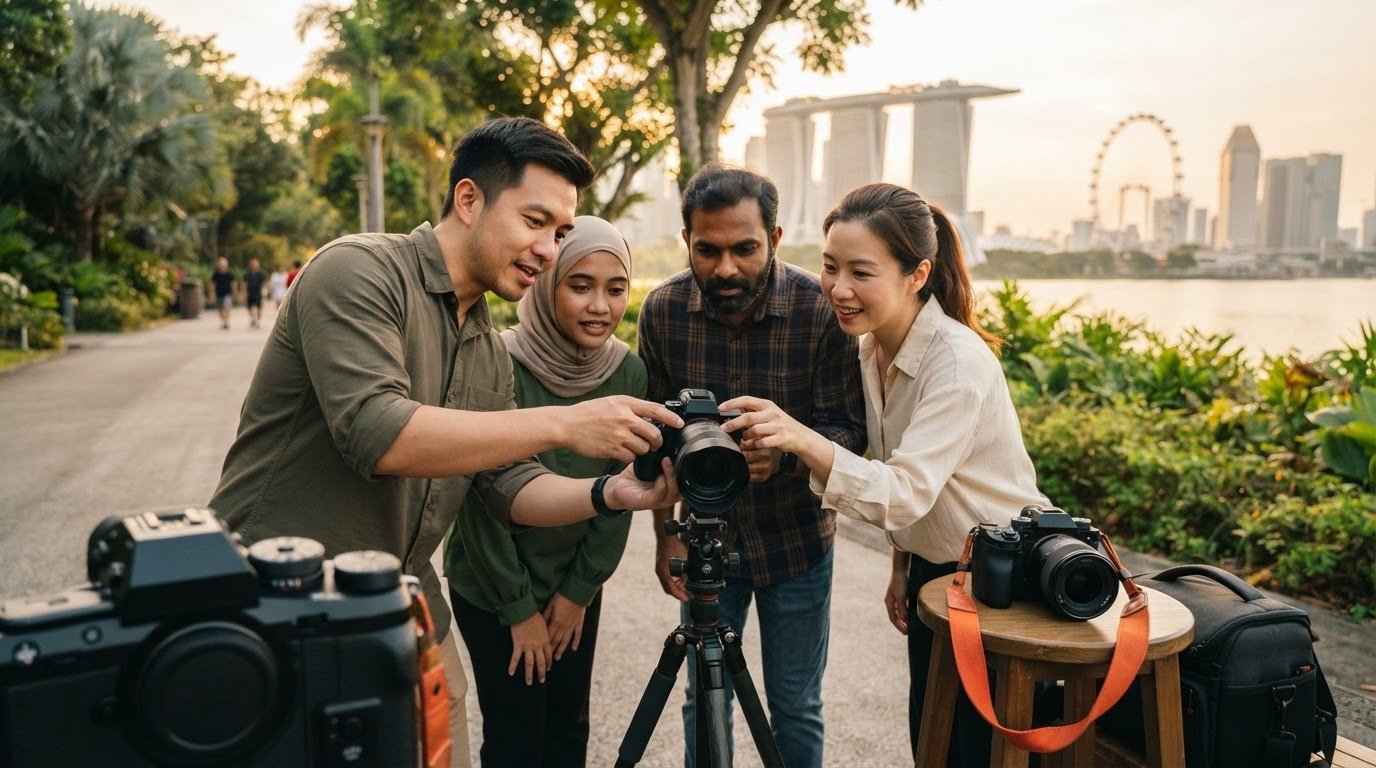

Basic Photography Class: How to Choose the Right Beginner Course
What if the best first step in photography isn’t buying a new camera, but finding a class where you can practise with one? It’s understandable to wonder whether a beginner course will suit your starting point or whether camera settings will quickly become too technical. A useful basic photography class connects clear explanations with time behind the camera, so you can see what a setting does as you use it.
This guide will help you compare learning formats, hands-on practice, personal guidance and course fit. You’ll also find practical questions to ask yourself before enrolling, including whether you need to bring a camera and how much support you want. Pictorial’s Basic Photography Course combines outdoor practice with small-group guidance. It runs for 3 sessions, 2 hours each, is open to All age, min. 9, and includes a Complimentary camera loan (if needed) and a Certificate of Completion. Bring your own camera or use a loan camera while you learn.
Key Takeaways
- A useful basic photography class pairs clear explanations of camera fundamentals with time to practise and ask questions.
- Compare self-study, introductory sessions and structured courses by teaching time, feedback and continuity.
- Use a simple checklist to match your experience, camera access, preferred format and schedule to a course.
- Guided practice can help you connect camera settings with the photographs you want to make.
What should a basic photography class help a beginner learn?
A basic photography class should help you understand your camera well enough to make deliberate choices, not just follow a list of tips. Guided learning introduces camera fundamentals, shows you how to use the controls, and gives you time to try them in real shooting situations. Knowing a setting’s name is less useful than seeing what changes when you adjust it.
Look for a teaching approach that moves between explanation and action. An instructor can demonstrate a control, give you time to try it, then help you notice how the photograph changes. You should also have room to ask questions as they come up. A useful class builds foundational skills, so you can respond to the scene in front of you instead of relying on memorised settings that may not fit.
Coached practice helps turn camera controls into choices you can make with greater confidence and control over your photographs. A class can also give you a starting point for exploring the broader history and techniques of photography, while keeping your first lessons focused on what you can use right away.
Who benefits most from a beginner photography class?
A beginner class may suit you if you usually leave your camera on automatic and want to understand what its controls can do. You don’t need previous experience to begin. Returning learners can benefit too: if you’ve picked up a camera before but feel rusty, reviewing the foundations can help you rebuild skills without having to keep up with advanced techniques. For other ways to begin, explore this guide to learning photography from scratch.
What makes learning camera basics feel manageable?
Clear demonstrations make technical terms easier to follow than a lecture filled with jargon. You can try a control, look at the result on your camera screen, and discuss what changed. Repeating that cycle connects a physical adjustment with a visible effect. Confidence comes with practice, not prior expertise. Learn one choice at a time.
Foundations remain useful after your first few photographs. Once you can make sense of basic controls, you can practise with more intention and recognise when an automatic setting isn’t giving you the result you want. Learners ready to build on those foundations can consider a structured next step in photography, such as an intermediate photography course or a comprehensive photography course with Pictorial. Choose a pace that lets you understand, try and ask questions, then return to the camera with a clearer idea of what to do.
Which skills and teaching methods should a basic photography class cover?
A basic photography class should explain how camera settings shape an image, then give you a chance to try them with guidance. Look for a sequence that moves from a plain explanation to a demonstration and then to practice. This helps you connect a camera setting with a visible change in the image, rather than memorising terms in isolation.
The three exposure controls work together, but each affects the photograph differently:
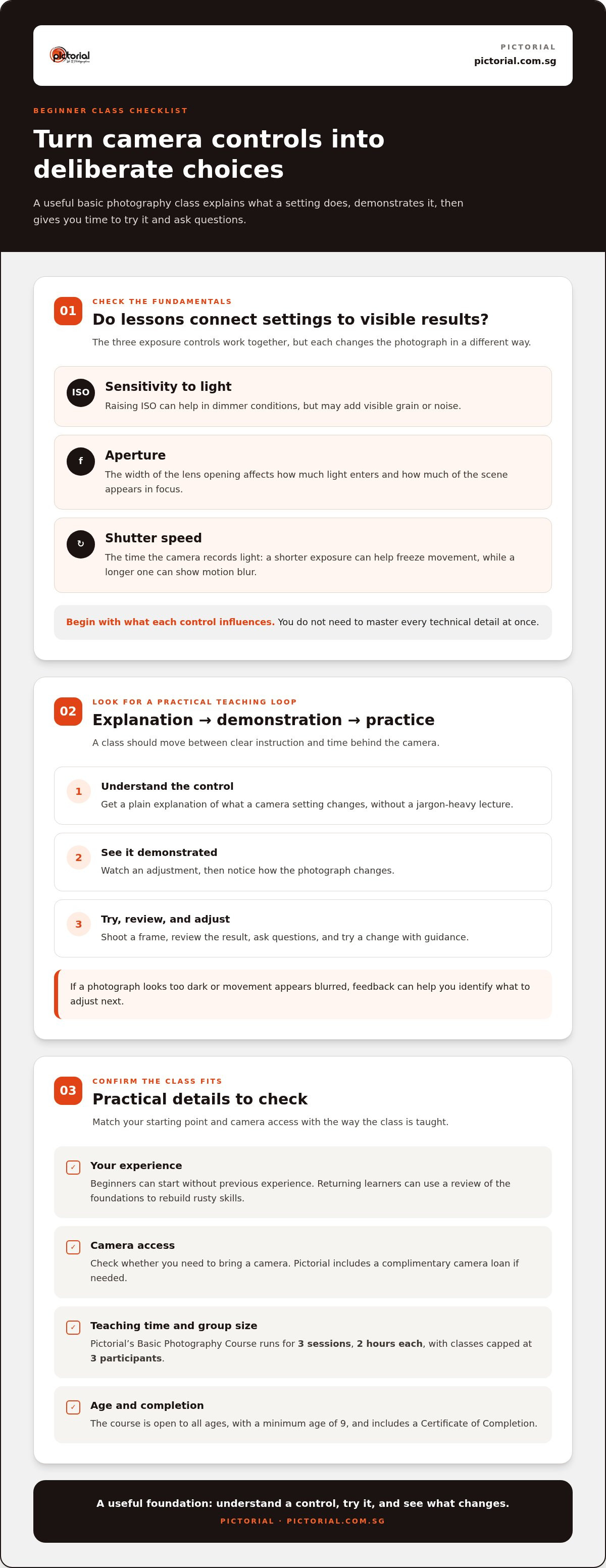
- ISO affects how sensitive the camera is to light. Raising it can help in dimmer conditions, but may add visible grain or noise.
- Aperture controls how wide the lens opening is. It affects the amount of light entering the camera and how much of the scene appears in focus.
- Shutter speed determines how long the camera records light. A shorter exposure can help freeze movement, while a longer one can show motion blur.
You don’t need to master every technical detail at once. Start by understanding what each control influences and noticing how changing one can affect the overall exposure. For a deeper explanation, use this simple guide to manual camera control.
How should a class teach camera settings to beginners?
Good instruction uses clear, practical examples instead of jargon-heavy lectures. A teacher might show how a faster shutter speed changes the appearance of a moving subject, then invite you to compare it with a slower setting. Learning with your own camera can make the lesson easier to apply because you can locate its controls and practise the same adjustment yourself.
Consider whether the class leaves room to repeat a demonstration and ask questions. A useful explanation should make your next action clear: which control to change, what to look for in the photograph, and how to compare the result. Advanced techniques can wait. At this stage, understanding the basic relationship between settings is more useful than collecting complicated camera tips.
Why does guided shooting matter in a beginner class?
Practice gives you a chance to apply a concept while an instructor is present. If a photograph looks too dark or movement appears blurred, feedback can help you identify what to adjust next. You can then try the change and see whether it addresses the issue. This cycle of shooting, reviewing and adjusting makes mistakes useful without promising that every frame will be perfect.
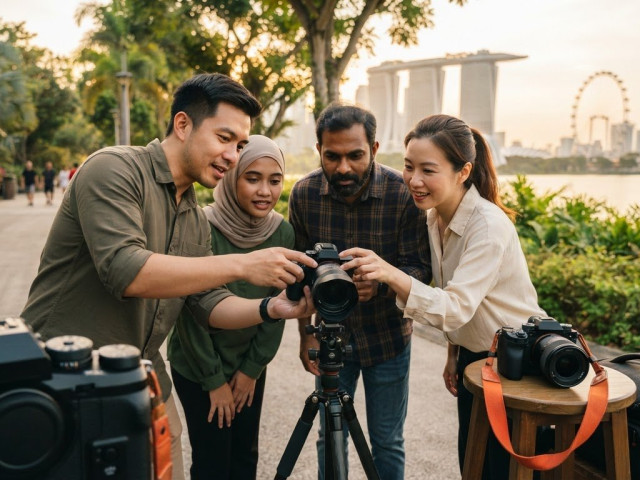
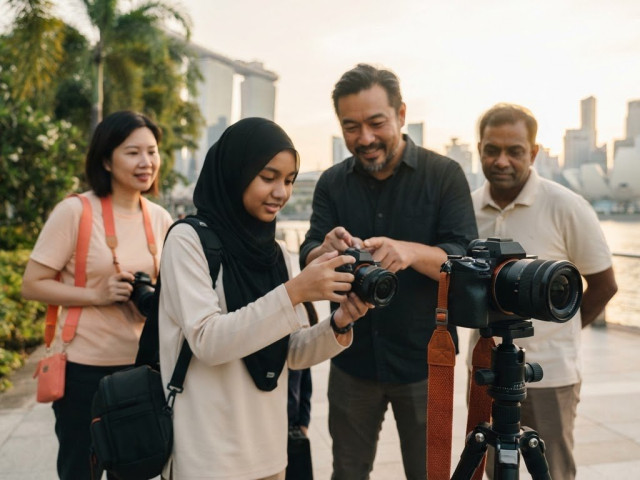
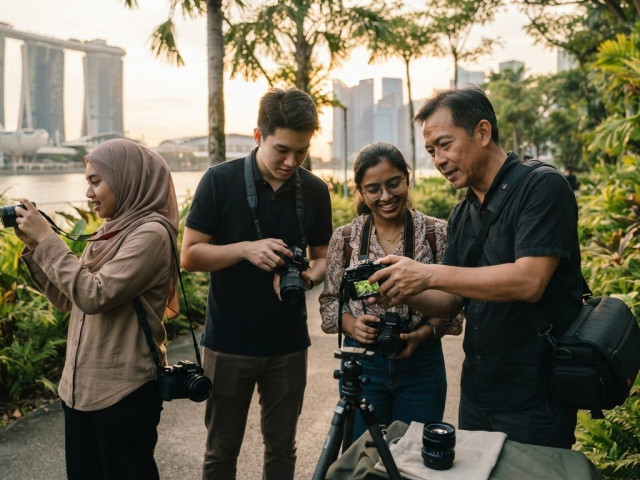
Small-group teaching gives you a chance to receive individual guidance as you practise. Pictorial’s Basic Photography Course runs for 3 sessions, 2 hours each, and classes are capped at three participants. It is open to All age, min. 9, and includes a Complimentary camera loan (if needed). The course pairs camera fundamentals with coached practice.
How do you compare a basic photography class with other learning options?
The right learning format depends on how much guidance and practice you want. Instead of choosing by title alone, compare the time spent learning, whether you shoot during lessons, how feedback is given, and whether the format builds on earlier sessions. These details help you decide whether you need a first taste of photography or a steady foundation.
- Self-study: Flexible and easy to revisit, but you’ll need to plan your own practice and work through questions independently.
- A short introductory session: A useful way to explore camera basics and test your interest. Its limited teaching time may leave less room to practise and revisit ideas.
- A structured basic course: Lessons across multiple sessions can give you continuity, guided shooting and the chance to build understanding progressively.
- A longer study path: A broader option if you want to keep developing after learning the fundamentals. Consider whether its scope matches your experience and available time.
When is a short introductory session enough?
A short session may suit you if you’re curious about photography and want an introduction before choosing a longer learning path. If you already know you want time to practise, revisit concepts and get feedback across lessons, a structured basic course may be a better fit. Neither format is automatically best. Consider how much support you want at this stage.
Pictorial’s Basic Photography Course runs for 3 sessions, 2 hours each and is open to All age, min. 9. It gives learners a series of lessons rather than a single introduction. If you’re ready to continue beyond foundational learning, intermediate and comprehensive photography course options offer a broader path to consider.
What should you compare beyond a course title?
Course names can sound similar even when the learning experience differs. Look for a clear balance of explanation, practical shooting and instructor guidance. Also consider camera access: practising with your own camera can help you learn its controls, while a loan option can help if you don’t have one yet.
Use these questions to compare the learning experience:
- Does teaching include demonstrations as well as time to try the ideas yourself?
- Can you get guidance while you’re shooting, rather than only after a lesson?
- Is there a way to continue practising and learning across sessions?
- Can you use your own camera, or is camera access provided?
A basic photography class should fit your starting point, not make you feel you need to know everything before you begin. Pictorial’s Basic Photography Course includes a Complimentary camera loan (if needed), and classes are capped at three participants. If you’re looking for structured foundations with guided practice, review the course details.
What practical details should you check before choosing a photography class?
A course title can sound suitable, but practical details show whether it fits your starting point and routine. Before enrolling, compare the course information rather than assuming every beginner class follows the same format. Check what you’ll learn, how you’ll practise, and what support is available during lessons.
- Experience level: Does the class welcome complete beginners, or does it expect you to know your camera already?
- Camera access: Can you bring your own camera, or is a loan camera available if you don’t own one?
- Teaching format: Is learning in a group or private format, and does the course include practical shooting?
- Schedule: Compare the stated lesson times with your regular commitments.
- Age eligibility: Check the minimum age, especially if choosing a class for a younger learner.
Can you join without owning a camera?
Not having a camera doesn’t need to stop you from getting started. Pictorial includes a Complimentary camera loan (if needed) with every course, so you can take part without bringing your own equipment. If you do own a camera, you may prefer to practise with it and become familiar with its controls. Either way, camera access lets you focus on learning rather than delaying your first lesson.
Camera access should make starting easier, not become a reason to put learning off.
How should you assess schedule and class support?
Compare group and private formats by their stated availability and how each fits your routine. Pictorial’s Basic Photography Course group availability is Monday-Sunday (11 AM-1 PM or 2 PM-4 PM). Private availability is Flexible daily 8 AM-7 PM. The course runs for 3 sessions, 2 hours each, and is open to All age, min. 9.
Group classes are capped at three participants, and practical outdoor guidance gives you a chance to apply what you’re learning. These details can help you decide whether the schedule, class setting and level of support suit you.
Before choosing a basic photography class, compare the details against your needs. If camera access, a clear schedule and guided practice matter to you, review Pictorial’s Basic Photography Course and choose the group or private format that fits your routine.
Is Pictorial’s Basic Photography Course the right next step for you?
If you want a clear beginning, practical guidance and time to work with camera fundamentals, Pictorial’s Basic Photography Course offers a structured way to learn. It suits learners looking for more than scattered tips but who don’t need to start with advanced techniques. Bring your own camera or use the loan option, then practise with guidance as you become familiar with the controls.
The course is led by professional photographer Keith. Pictorial was founded in 2005 and has taught more than 20,000 students. Classes are capped at three participants, creating a focused learning environment for beginners and returning learners.
What is included in Pictorial’s Basic Photography Course?
The Basic Photography Course runs for 3 sessions, 2 hours each and is open to All age, min. 9. It includes a Complimentary camera loan (if needed) and a Certificate of Completion. These details make it easier to judge whether the course structure, camera access and learning setting fit what you want from a basic photography class.
Group availability is Monday-Sunday (11 AM-1 PM or 2 PM-4 PM). Private availability is Flexible daily 8 AM-7 PM. Choose the format that fits your schedule and how you prefer to learn. Small classes and practical outdoor guidance connect explanations with time spent photographing, rather than leaving you to work through every idea alone.
How can you take the next step without feeling rushed?
Before deciding, think about what would help you feel ready to use your camera: guided sessions, access to a camera, or a learning format that fits your routine. Then compare those priorities with the course details. Take your time if you need to. A beginner course should meet you at your current level, not expect you to arrive with polished skills or complete confidence.
Review the Basic Photography Course details to consider its structure and practical elements at your own pace. You can also explore Pictorial’s photography courses to compare learning paths. Choose the option that fits your goals and gives you room to learn steadily.
Make your next photograph a learning moment
You don’t need to understand every camera setting before you begin. Choose one thing to notice in your next photograph: how light falls, what draws your eye, or whether movement looks frozen or blurred. That small act of observation gives your practice a purpose and helps you decide what you’d like to learn next.
A basic photography class can provide a steady place to build on that curiosity, but progress also comes from continuing to look, try and reflect. Start with a simple goal: understand one choice a little better, then use it in a photograph of your own. There’s no need to rush toward perfect results. Each thoughtful attempt gives you another chance to see what your camera can do.
Start with the step that feels comfortable, and let your confidence grow with every frame.
Frequently Asked Questions
Is a basic photography class suitable if I have only used automatic mode?
Yes. Using automatic mode is a perfectly reasonable starting point, and you don’t need to change every setting at once. A basic photography class can help you notice when the camera’s choices work well and when you might want more control. If a moving subject looks blurred, for example, you can learn which setting to explore next and practise making one adjustment at a time.
Can I take a basic photography class without owning a camera?
Yes. Pictorial provides a Complimentary camera loan (if needed), so owning a camera isn’t a prerequisite for learning. If you already have one, bringing it can help you get used to its buttons and menus. If you borrow a camera, focus on understanding the ideas behind each control first. Those foundations can help you use a camera more thoughtfully later, whatever model you choose.
How long does it take to learn basic photography?
You can begin to understand basic photography in a short period, but becoming comfortable using that knowledge takes ongoing practice. Learning what a setting does is different from recognising when to use it in changing light or with a moving subject. Treat lessons as a starting point, then revisit one skill at a time in everyday situations. Progress is personal, so there’s no single deadline for feeling confident.
What should I practise between photography class sessions?
Choose one small exercise and repeat it in a familiar place. Photograph the same subject from two angles, or photograph a still scene and a moving subject while paying attention to how the camera handles each. Review the images on your camera screen and note what you’d like to ask in the next session. Keep the exercise simple so you can focus on observing rather than chasing a perfect result.
Is a basic photography class useful if I already know some camera settings?
It can be. You may know what a setting does but still feel unsure about choosing it while composing a photograph. A class can help you revisit the foundations, spot gaps in your understanding and practise making choices deliberately. Before joining, consider what feels familiar and what still slows you down, such as changing settings quickly or understanding why an image looks different from what you expected.
Can a beginner photography class help me choose a camera?
A beginner class can help you understand the camera controls you’ll use, giving you a clearer basis for thinking about your needs. Consider whether you prefer photographing with a phone or a dedicated camera, and which controls you want to practise. Pictorial’s course includes a Complimentary camera loan (if needed), so you can learn without buying equipment first. The focus is learning photography, not purchasing a camera.
What is the difference between a basic photography class and a photography workshop?
The names alone don’t guarantee a particular format. A basic photography class often signals foundational learning, while a workshop may focus on a narrower topic or practical activity. Providers use these terms differently, so compare the actual outline, teaching time, practice opportunities and level of guidance. If you’re just starting, choose the option whose stated scope matches what you want to learn, rather than relying on its title.

Article by
Keith Low
Photography Mentor & Founder
Disclaimer
© Pictorial | All Rights Reserved.