
Small Group Photography Class: Learn by Shooting, Not Just Watching
Will a small group photography class give you enough personal guidance to improve? It can, especially when you’re learning camera controls and need to try them while someone is there to help. A demonstration or online tutorial can explain what a setting does, but it’s harder to apply that advice when you’re holding your camera, looking at a scene, and deciding what to change.
It’s reasonable to wonder whether a class will suit your experience and learning pace. In a large group, you may have less time to ask questions or practise each technique. A small, practical class offers a different balance: you learn alongside others while still getting guidance as you take photographs.
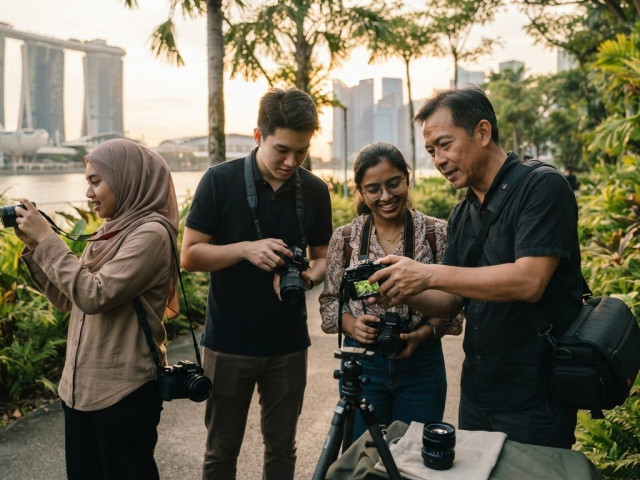
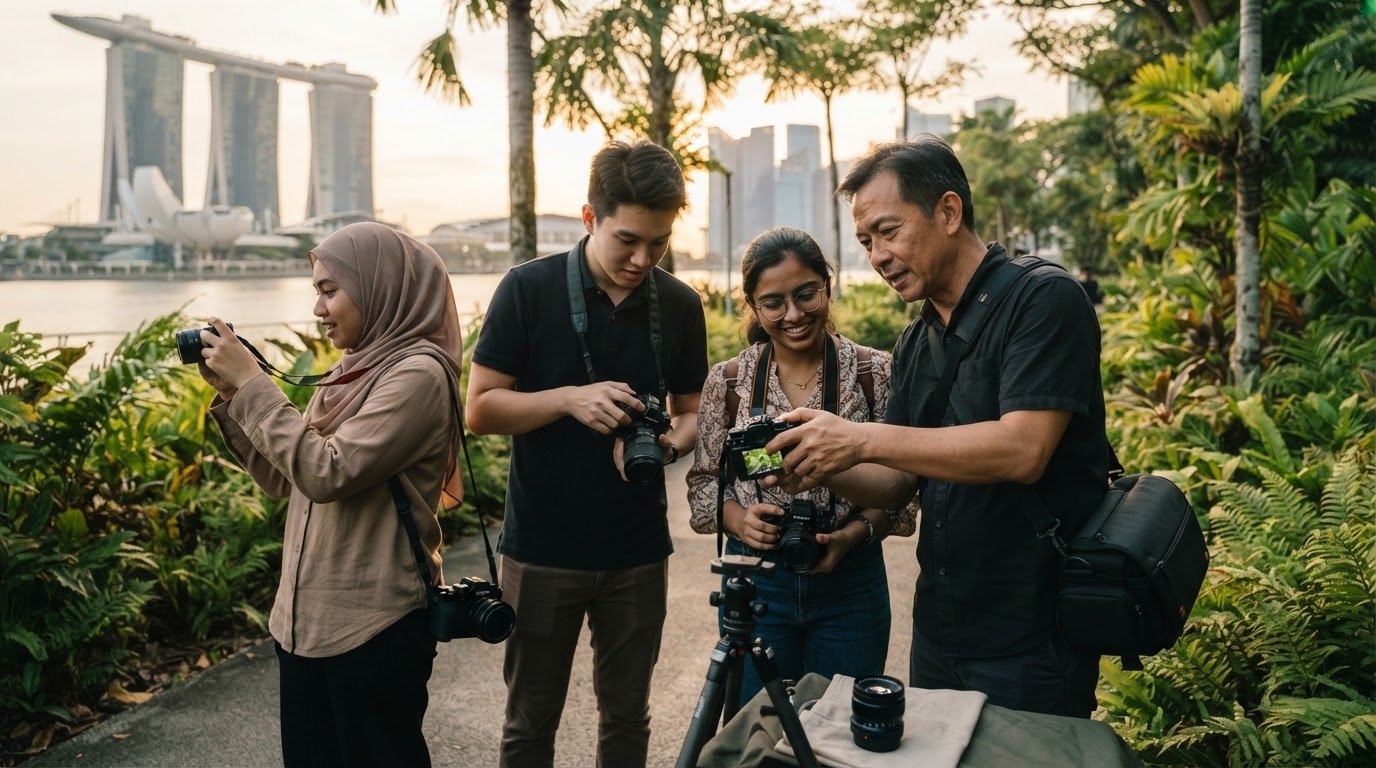
In this article, we’ll compare small-group learning with other ways to learn photography and show how hands-on practice can build confidence behind the camera. At Pictorial, groups have a maximum of three participants, with personal guidance and practical outdoor shooting. The Photography Starter Session is a focused entry point for beginners who want clear instruction and time to practise, without needing to master every camera setting first.
Key Takeaways
- A small group photography class helps connect camera settings to real photographs, so you can practise unfamiliar controls with guidance.
- Turn instruction into action: try a setting, take a photograph, and review the result in changing outdoor conditions.
- Compare small-group learning, private lessons, and self-study by considering how much guidance, peer observation, flexibility, and independent practice you want.
- Before choosing a class, set one learning goal, assess your experience, consider your equipment, and review how the lessons are structured.
- The Photography Starter Session is one session lasting 3 hours, with practical shooting and a maximum of three participants. Age requirement: All age, min. 9.
Why choose a small group photography class over learning alone?
Camera controls can sound straightforward in a guide or demonstration but feel harder to use when you’re looking at a real scene. You might understand a setting’s purpose yet be unsure whether it’s the right one for the photograph in front of you. In-person guidance helps bridge that gap: make a camera choice, take a photograph, then see how the choice affected the result.
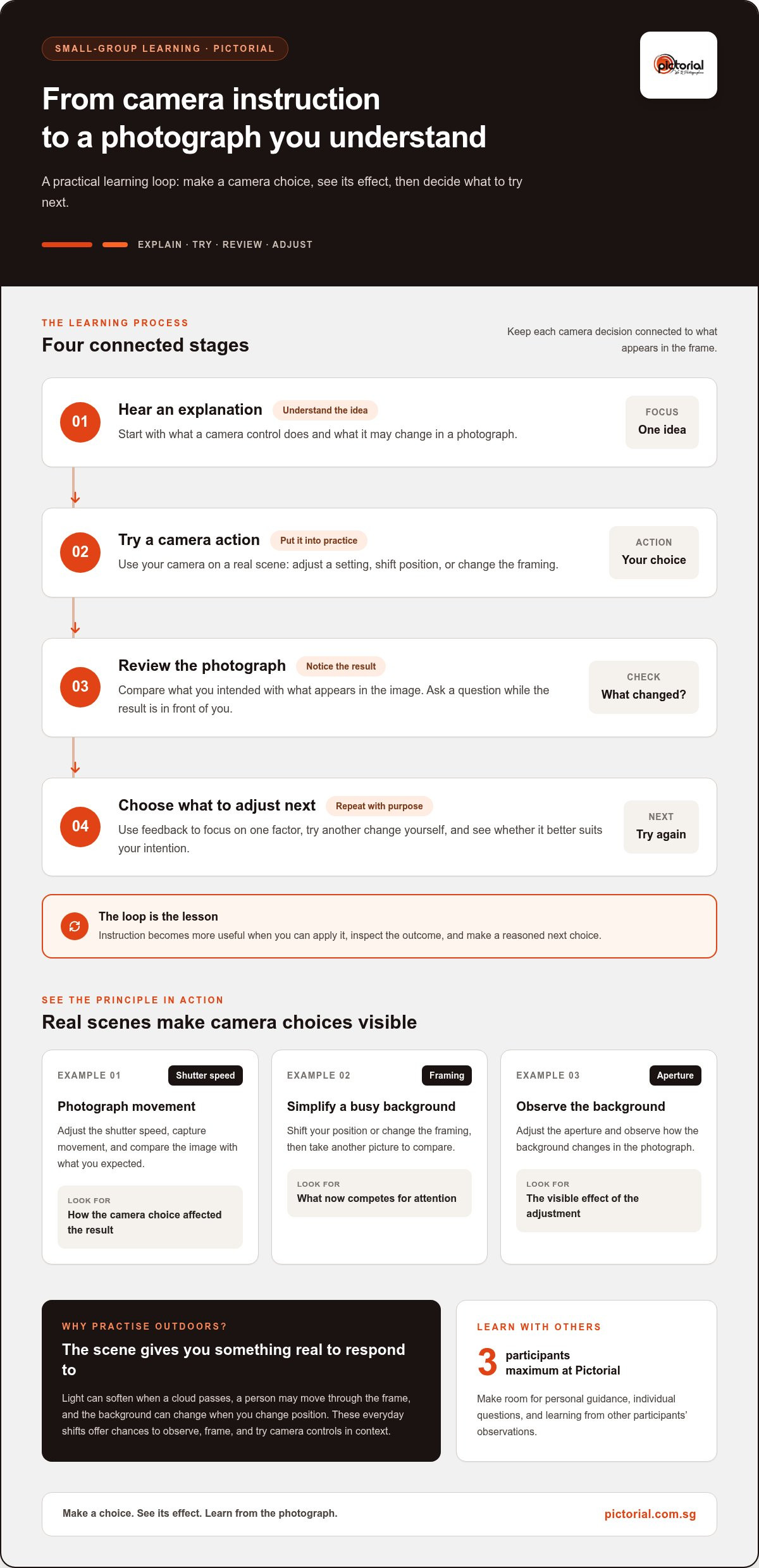
For example, a quick explanation of shutter speed becomes more useful when you adjust it, photograph movement, and compare the image with what you expected. This practical approach makes the principles of photography easier to connect with the camera in your hands. You’re not just hearing terms; you’re seeing how they shape a picture.
A lecture-style class can be useful for introducing ideas to a larger group. What changes is how much time each learner has to try a setting and ask a question. A small group photography class is a guided learning format where a few participants practise with their cameras while receiving individual attention and learning alongside one another.
What makes a photography class genuinely small?
Participant numbers matter when they leave enough time for each person to shoot, pause, and ask about a result. A small class size alone doesn’t guarantee a useful lesson. Look for a balance between explanation and practice: do learners get time to operate their cameras, ask individual questions, and receive feedback about the photographs they’ve just taken?
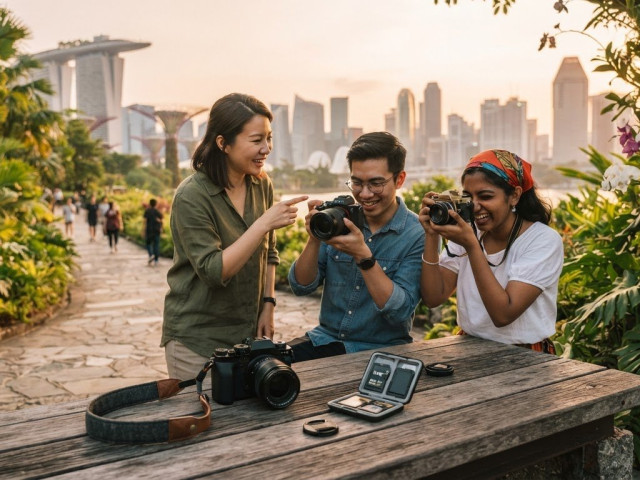
At Pictorial, groups have a maximum of three participants. This creates room for personal guidance and shared practice without making the session a one-to-one lesson. You can learn from another person’s question, then try the same camera adjustment yourself. The practical test is not only how many people attend, but whether you get a chance to apply the instruction.
When does guided learning help more than self-study?
Self-study lets you pause a tutorial, replay a step, and learn at your own pace. But it can be difficult to follow along while operating a camera, especially if a control is labelled differently or the photograph doesn’t look as expected. With in-person guidance, you can ask a question while the camera is in your hands and get help connecting a setting with its visible effect.
That immediate connection can make a technical choice feel less abstract. Adjust the aperture, for instance, and observe how the background changes. If the result differs from what you intended, you can ask why and try another adjustment. Guided practice won’t replace time spent shooting on your own, but it can give you a clearer starting point for independent practice. If you’re beginning with the fundamentals, explore how to learn photography from scratch and build understanding one camera decision at a time.
How small-group photography classes turn instruction into practice
A useful lesson doesn’t stop at explaining what a camera control does. You get a chance to use it, look at the photograph you made, and connect your choice with the result. The process is simple and repeatable: hear an explanation, try one camera action, review the image, then decide what to adjust next.
For instance, you might frame a subject against a busy background and notice that other details compete for attention. Shift your position, change the framing, and take another picture. Comparing the images helps you see how a deliberate choice changes the photograph. In a small group photography class, other participants’ questions and attempts can add useful observations, too. Someone else may spot a detail you missed or ask about a result you were also wondering about.
Guided practice helps you make camera choices with a reason, then check how those choices shape the picture. The aim isn’t to memorise a list of settings. It’s to connect what you notice, what you do with the camera, and what appears in the frame.
How instructor guidance supports real-time learning
Imagine composing a photograph and pausing because you’re unsure which control to adjust. You can ask while looking through the viewfinder, try the suggested change, and review the image. Useful feedback can focus your attention on one factor at a time, such as focus placement or framing, rather than asking you to change several things at once.
This keeps feedback connected to the photograph in front of you. You can see what the adjustment did, decide whether it suits your intention, and ask a follow-up question. Then you try the next step yourself, keeping the practice active instead of simply watching a demonstration.
Why practical outdoor shooting adds useful context
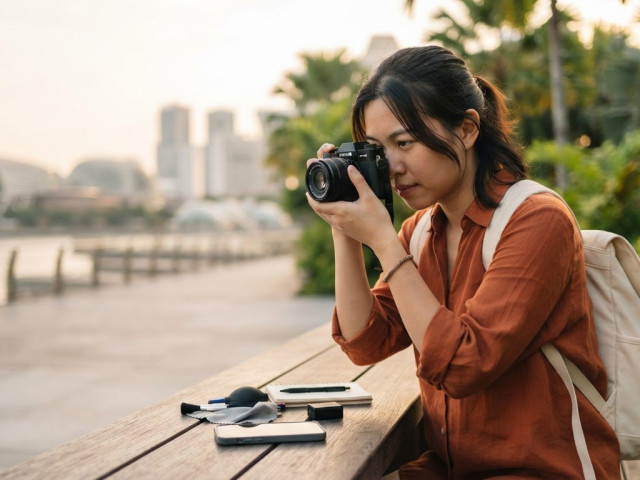
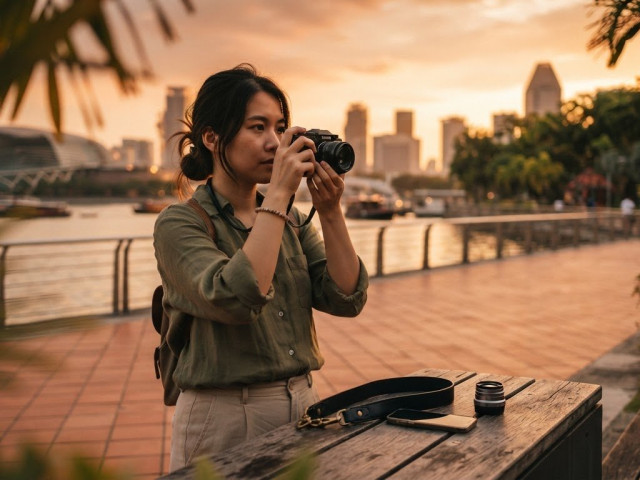
Outside, the scene can change around you. A cloud may soften the light, a person may move through the frame, or the background may look different when you change position. These everyday changes give you real situations in which to observe, frame, and try camera controls. You learn to notice what’s happening in the scene before deciding how to photograph it.
Outdoor practice also makes it easier to compare choices in context. You might frame the same subject from another angle, check where the light falls, and look at what sits around the edges of the picture. An instructor can help you identify one adjustment to test, while other learners’ approaches give you more examples to consider. For a closer look at learning through outdoor shooting, explore a practical outdoor photography class.
Whatever path you take, practice turns explanations into choices you can test. A focused lesson gives you a place to start; repeating the process with new scenes helps you build your own judgement.
Small group, private lesson, or self-study: which format fits?
There isn’t one best way to learn photography. The right format depends on how you like to practise, how much guidance you want, and whether seeing other people work through similar questions helps you learn. Use this comparison to consider what would keep you engaged between explanations and the photographs you take.
| Learning format | Guidance | Peer observation | Flexibility | Independent practice |
|---|---|---|---|---|
| Small group | Instructor support alongside shared practice | Learn from other learners’ questions and approaches | Follows a scheduled class structure | Practise during class and continue between sessions |
| Private instruction | Individual focus on your questions and pace | Little or no peer learning | Depends on the lesson arrangement | Useful for applying guidance on your own |
| Self-study | Find answers through tutorials, guides, or experimentation | Usually limited unless you seek a learning community | Choose when and where to study | Requires you to plan practice and troubleshoot independently |
Choose the learning format that gives you the balance of guidance and independence you need to keep practising. A small group photography class can suit someone who wants an instructor’s input and values hearing how others approach a scene. With no more than three participants in Pictorial’s groups, learners have opportunities to practise with their cameras, ask questions, and learn together.
Who benefits most from a small group class?
This format can suit you if you want guidance without working entirely on your own. Beginners can ask about a control as they try it, while observing how another learner frames a subject or responds to feedback. You don’t need to arrive with the same experience as everyone else. Your preferred pace and the chance to learn through questions and practice matter more than matching an assumed ability level.
When might private learning or self-study suit better?
Private learning may appeal if you value individual focus and want instruction centred on your questions. Self-study gives you more control over timing, but you’ll need to organise regular shooting practice and work through moments when a tutorial doesn’t explain what’s happening on your camera. Either approach can also be part of a broader learning path.
If you’re weighing up what kind of structure would help, compare the photography course options with the guidance and practice you’re looking for. You might prefer a structured class followed by independent shooting, or begin with self-study and seek instruction when a particular camera decision keeps causing uncertainty. The best fit is the one you can use consistently.
How to assess whether a small group photography class is right for you
A little preparation makes it easier to judge whether a class matches what you want from photography. Before comparing options, name one camera skill you’d like to practise. A specific goal, such as controlling focus or understanding exposure, gives you a practical way to assess a small group photography class rather than relying on its label alone.
- Set a learning goal. Turn a broad ambition like “take better photos” into one skill you can practise, such as choosing a focus point or adjusting a camera setting. Decide whether you most want to build confidence, understand camera controls, or receive guidance while shooting.
- Assess your experience. Think about what you can already do and where you get stuck. You don’t need to know every camera setting before joining a beginner class. Look for instruction that starts at a comfortable level and gives you room to ask questions as you learn.
- Consider your equipment. Note whether you plan to learn with a camera or a mobile phone, and choose a class suited to the equipment you’ll use. If you already own a camera, bring the model you want to practise with so its controls and menus are familiar.
- Review the class structure. Look for a clear balance of explanation, time to take photographs, and personal guidance. Check that the course details fit your age, schedule, and preferred pace, including the session length and whether you’ll have enough time to practise.
Set a realistic goal before comparing classes
Wanting to feel more confident is a useful starting point, but it can be hard to compare classes against such a broad aim. Choose one small skill that would help you feel more in control, such as changing a setting without losing track of your composition. If you’re unsure where to begin, a guide to how to learn photography from scratch can help you identify a suitable first step.
Check the teaching experience, not just the class label
Words like “beginner” and “small group” describe the intended learner or format, but don’t explain how the lesson works. Look for clear information about instructor guidance and practical shooting. A class is more likely to suit you if there’s room to ask about a camera decision, try it, and understand how it affects your photograph.
For a concrete reference, the Photography Starter Session is one session lasting 3 hours. Its age requirement is All age, min. 9. Group availability is Monday-Sunday (11 AM-2 PM or 2 PM-5 PM). Use these details to decide whether the schedule and session length suit you, then weigh them against your learning goal and preferred pace. The right fit is a class whose structure helps you practise the skill you chose, not one that simply sounds suitable.
Choose a photography learning path to explore your options further.
What the Pictorial Photography Starter Session offers
If you’d like to learn camera basics by using your camera, the Photography Starter Session offers a practical place to begin. It’s a focused starting point for learners who want clear instruction alongside time to take photographs. The group format has a maximum of three participants, making room for questions and personal guidance within a shared class.
What learners can expect from the group session
Learning includes practical outdoor guidance, so you can work with your camera in real surroundings and apply instruction as you shoot. This helps you connect a camera choice with what appears in the frame, while learning alongside a few other participants. You can ask about anything that feels unclear and learn from the different questions or approaches that come up during practice.
Pictorial was founded in 2005 and is led by photographer Keith. The institute has taught over 20,000 students. These details provide context as you consider where to begin, while the small-group format keeps the session focused on practice and individual attention. If camera controls feel unfamiliar, start with the question or skill you most want to work on and take it one step at a time.
The Photography Starter Session is one session lasting 3 hours. The age requirement is All age, min. 9. These details can help you decide whether the format suits your available time and learning needs. It’s an entry point for beginners, so you can practise without first committing to a longer course.
Equipment, schedule, and a simple next step
You can bring your own camera and practise with familiar controls. The session includes Complimentary camera loan (if needed), and participants receive a Certificate of Completion. Group availability is Monday-Sunday (11 AM-2 PM or 2 PM-5 PM). Consider which timing fits your day and whether a focused three-hour class is the introduction you’re looking for.
A small group photography class can make learning feel more manageable by bringing instruction, practice, and questions into the same session. The Photography Starter Session offers that combination in a group of no more than three participants, with outdoor shooting as part of the learning experience. If this is the right first step for you, review the session details and register for the Photography Starter Session.
Take your next step behind the camera
You don’t need to understand every setting before you begin. Choose one thing you’d like to feel more comfortable doing, such as setting focus or adjusting exposure, and use it as a starting point for your next learning step. A small group photography class gives you a place to practise that skill with guidance and decide what you’d like to explore next.
As you learn, keep noticing what draws your attention in a scene. Try a camera choice, look carefully at the result, and consider what you might change in another photograph. These small decisions help you develop a considered way of working that feels like your own. There’s no need to rush; confidence grows through practice.
If you’re ready to begin learning by doing, explore the Photography Starter Session and see how it fits your next step.
Start with one question, one camera adjustment, and one photograph. You can build from there.
Frequently Asked Questions
Is a small group photography class suitable for a complete beginner?
Yes. You can start without knowing how to use every camera setting. Pictorial’s courses cater to beginners as well as more advanced learners, and the Photography Starter Session is a practical place to start. Before class, think of one situation that often leaves you unsure, such as choosing a focus point. That gives you a clear question to practise without needing to memorise camera terms beforehand.
How many students are in Pictorial’s small group photography class?
The group format has a maximum of three participants. This gives learners room to take part in shooting and ask questions while learning with the instructor. A small class describes the teaching format, not a guaranteed result: people bring different questions, experience, and practice habits. The Photography Starter Session offers this group format. Consider what you’d like to ask or try during the session.
Do I need to bring my own camera to a small group photography class?
No. The Photography Starter Session includes a Complimentary camera loan (if needed), so owning a camera isn’t a requirement. If you do have a camera, bringing it can help you become familiar with its controls and menus. For example, you can practise finding the focus or exposure settings on the device you plan to use for your own photographs.
What age can join the Photography Starter Session?
The Photography Starter Session is listed as All age, min. 9. The minimum age is 9, so a learner younger than 9 doesn’t meet the stated age requirement. Families can use this detail when deciding whether the session is suitable for their child. For a learner who meets the minimum, consider their interest in using a camera and following practical instruction when choosing a class.
What should I practise after a beginner photography class?
Choose one idea from class and try it repeatedly with familiar subjects, such as a household object near a window. Change one camera control at a time, then compare the photographs to see what changed. Keep a few examples and note which setting you used or what you were trying to achieve. This small record can help you identify questions to revisit and choose a useful next practice goal. If you eventually want to explore portraiture, creative communities like Unique Model & Talent Network can connect emerging photographers with aspiring models for collaborative practice.
Can a photography class help me take better photos without editing?
A class can help you pay closer attention to choices made as you take a photograph, though it can’t promise that every image will need no editing. Practise checking the light, framing, and focus before pressing the shutter. Then review the image and consider whether a different position or camera setting might better match what you saw. This builds awareness in-camera without making editing software the first fix.
Article by
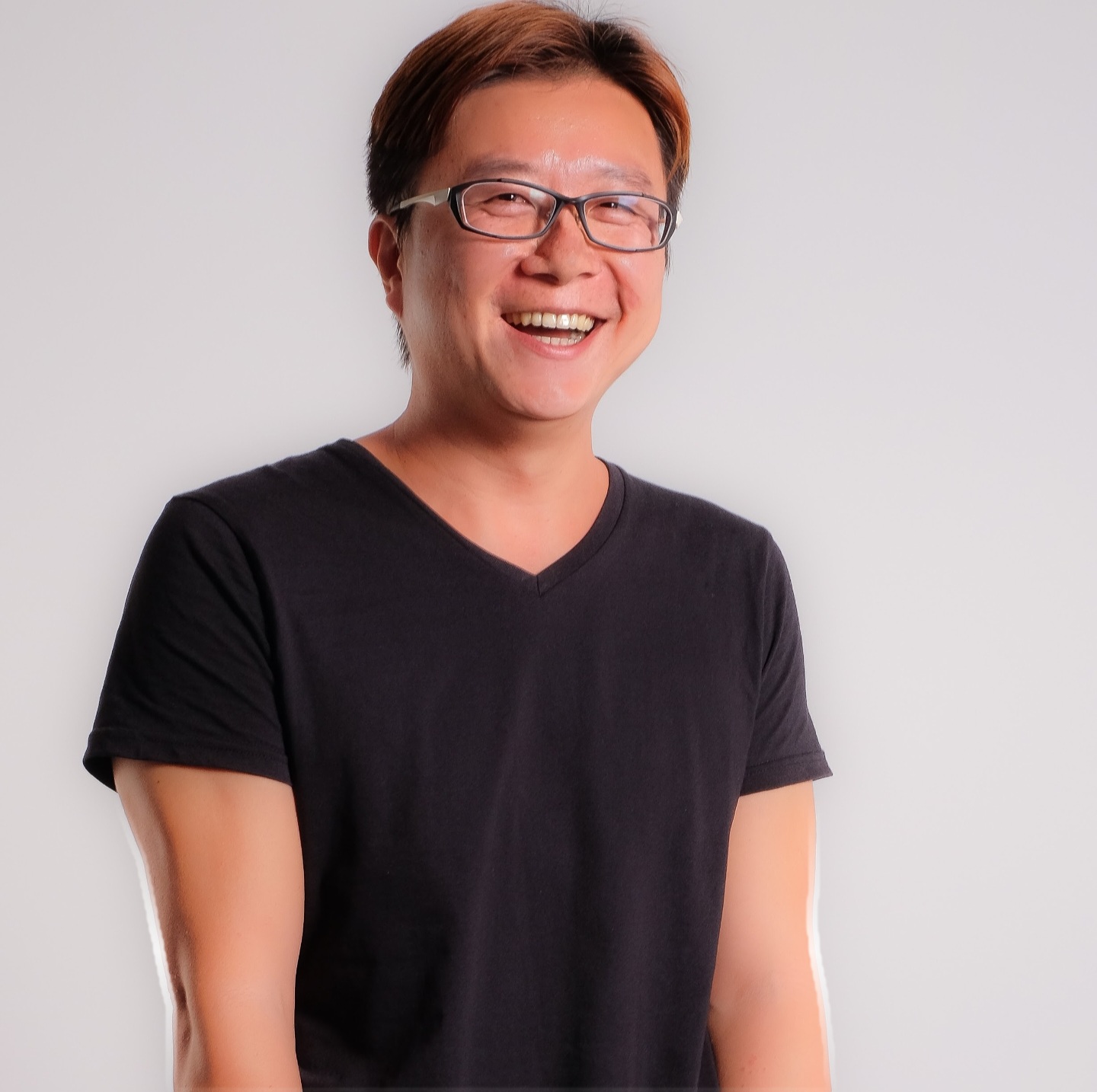
Keith Low
Photography Mentor & Founder
Disclaimer
© Pictorial | All Rights Reserved.