
What to Look for in a Photography Course: 2026 Guide
What if the best photography course isn’t the one with the most technical topics, but the one that gives you room to practise and ask questions? It can be hard to tell what you’ll actually do in class when course descriptions are full of camera jargon. You may also be wondering whether a course is right for your experience level, or if you need to buy a camera before you begin.
Those are sensible questions. A good fit should meet you where you are and help you build skills through clear teaching, hands-on practice and useful feedback. You don’t need advanced knowledge to take the next step, and the right course can make unfamiliar camera settings feel more manageable.
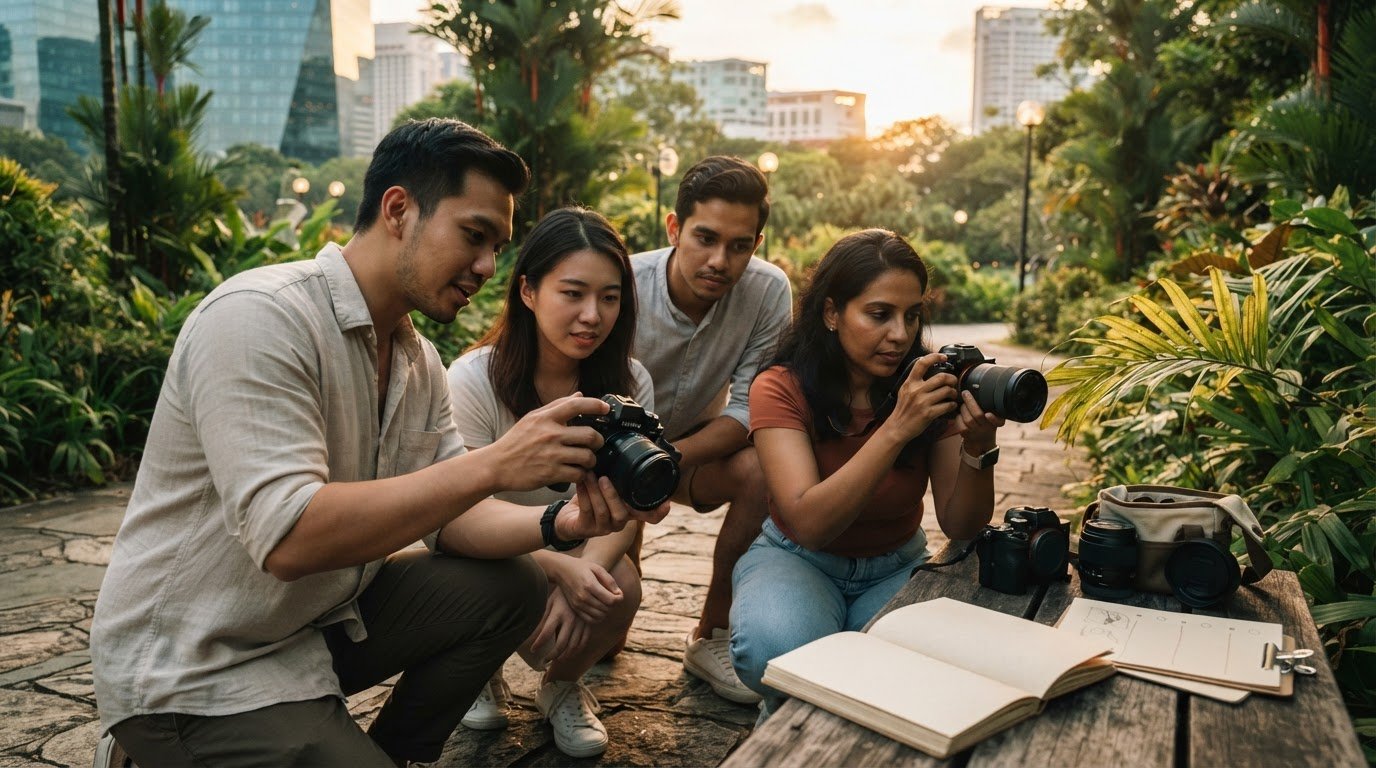
This guide explains what to look for in a photography course, from teaching style and practical shooting to feedback, equipment and course fit. At Pictorial, classes have a maximum of three participants, with outdoor shooting and individual guidance. Every comprehensive photography course also includes a complimentary camera loan (if needed), so you can focus on learning before investing in equipment.
Key Takeaways
- Start with one practical photography goal so you can compare courses by what you want to learn.
- When deciding what to look for in a photography course, focus on how lessons connect camera concepts with real shooting decisions.
- Compare practical work, instructor access, feedback and group format to understand how each class supports learning.
- Use a five-step checklist to assess your level, teaching fit and practical needs before choosing.
- Explore Pictorial’s course options by learning goal, including the Photography Starter Session, suitable for all ages from a minimum age of 9.
What to Look for in a Photography Course Before You Compare Classes
Course pages can make very different classes sound alike. They may list similar topics, such as camera settings and composition, without showing how a lesson fits your experience or what you’ll be able to practise. Before comparing course titles, pause and name one practical goal. Do you want to understand exposure, take stronger everyday photographs, or feel more in control of your camera?
Your reason doesn’t need to be professional. You don’t need plans to become a working photographer, and you don’t need to own expensive equipment before learning. A course should be a way to build skill for your own purposes, whether that means making family photographs more thoughtfully or starting a deeper, structured learning path.
Set a clear goal before you compare photography courses
“Get better at photography” is a natural starting point, but it can be difficult to compare against a course description. Make it specific enough to picture in practice: learn how exposure affects a photograph, use camera controls with more confidence, or make more considered photographs on your daily walks. One clear aim helps you judge whether the listed topics will serve you.
Your goal can also indicate the depth of learning you want. Casual improvement may call for a focused introduction, while a broader path may suit someone ready to build skills in stages. If stronger camera control is your priority, an intermediate photography course may be a useful point of comparison. Focus on the learning aim, not on choosing the most advanced-sounding title.
Match the course level to your starting point
Look for a plain explanation of who the class is for and what learners will study. A beginner-friendly course should introduce technical ideas in understandable steps, then connect them to decisions made while taking a photograph. If you already use manual controls, look for teaching that builds on that experience rather than starting too far back. The right level gives you room to learn without expecting skills you haven’t developed yet.
It’s fine if you’re not sure where you fit. Think about what you can currently do: perhaps you rely on automatic settings, or you’ve tried changing exposure but aren’t confident about the results. Match that starting point to the course’s stated level and learning goals. If equipment is a concern, Pictorial offers a Complimentary camera loan (if needed) with every course, so owning a professional camera isn’t a prerequisite for beginning.
As you compare options, use this short decision summary to keep the choice grounded:
- Level: Does the course suit what you can do now?
- Teaching: Are ideas explained in clear, usable steps?
- Practice: Will you have a chance to apply what you learn?
- Feedback: Is there support to help you understand your progress?
- Fit: Does the learning path match your goal and preferred pace?
This is the foundation of what to look for in a photography course. Once your goal and starting point are clear, course descriptions become easier to compare, and you can move on to the details of how each class teaches.
Check How a Photography Course Teaches Camera Skills
A course can name useful topics without showing how students learn to use them. Look for a clear path from explanation to action: the instructor introduces an idea, demonstrates how it affects a photograph, then gives learners a chance to try it themselves. That sequence helps turn camera terms into choices you can make while shooting.
Effective photography instruction explains a camera concept, then guides you as you practise it with your own camera.
Course descriptions, sample lesson plans and student feedback can help you picture that process. Look for signs that students take photographs during class, not only watch an instructor demonstrate. For example, after learning about exposure, do learners get time to adjust settings and compare the results? That practical step shows whether the teaching moves beyond definitions.
Look for clear teaching of ISO, aperture, and shutter speed
ISO, aperture and shutter speed are controls for shaping exposure and the look of an image. A useful course should explain what each one can change, then show how they work together when you make a photograph. You don’t need a full technical lecture before you begin. Look for explanations that build in manageable steps and connect each setting to a decision you can try while shooting.
As you read a course outline, ask whether it links settings to practical situations. Does it explain how to choose a setting for the photograph you want, rather than simply asking you to memorise terms? A professional photography education resource can also give you a sense of how skill development may be structured beyond the basics, especially if you later want to explore photography more deeply.
Notice whether the instructor makes learning approachable
Technical language has its place, but it should clarify what you’re doing, not leave you guessing. Look for teaching that explains unfamiliar terms in plain language, welcomes questions and uses examples that make sense to someone still learning the controls. Patient guidance matters because it gives you room to try a setting, notice what changed and ask why without feeling you should already know the answer.
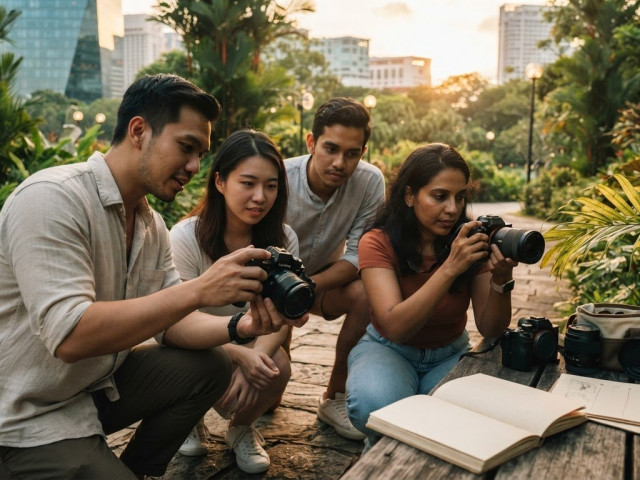
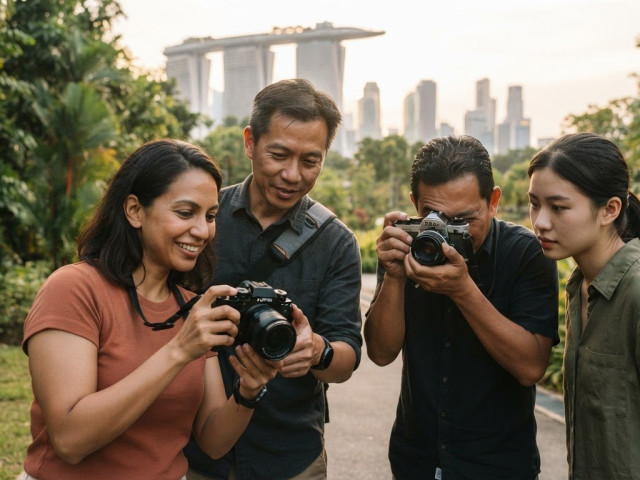
Consider what you would do in class. Would you handle the camera and make your own choices, or mainly observe? Would an instructor be available to guide you when a control or result feels confusing? Pictorial’s photography course options include practical learning, with outdoor shooting and individual guidance in classes of no more than three participants. This can give learners space to apply concepts as they go.
For a quick check, see whether the course makes these steps clear:
- Explain: Introduce the camera idea in understandable language.
- Demonstrate: Show how it affects a real photograph.
- Practise: Give learners time to try the control themselves.
- Guide: Make room for questions and help during the exercise.
This is a practical way to judge what to look for in a photography course: not just which topics appear on the page, but how you’ll work with them. If you’re ready to see how Pictorial’s practical approach is organised, explore the course options and compare them with the way you want to learn.
Compare Practical Shooting, Feedback, and Class Size
Practical work shows whether a course helps you use new ideas while making photographs. Watching a demonstration can make a setting look simple, but handling the camera yourself raises real questions: where should you stand, what should you include in the frame, and what changes when the light shifts? Look for lessons that give you time to try, observe the result and adjust.
Feedback adds another useful step. General encouragement can make a class feel welcoming, but specific feedback explains what you did and what you might try next. Timely feedback helps you notice a shooting decision while it’s fresh, then make and assess a different choice.
| Practice | Instructor access | Feedback | Group format |
|---|---|---|---|
| Mostly demonstrations, with little time to shoot | Guidance is mainly given to the whole group | Comments may be broad or delayed | Learners take turns or observe |
| Students make photographs during guided exercises | Instructor can observe and assist during practice | Comments relate to a specific choice or image | Smaller groups can allow more room for individual help |
Ask whether students practise with real shooting situations
Check whether the course gives you opportunities to compose and take photographs, rather than only follow a camera demonstration. Practical shooting in varied surroundings can bring up questions that a classroom explanation may not: how to respond to changing light, choose a useful viewpoint or simplify a busy background. The aim isn’t to guarantee a particular result, but to practise making decisions with guidance.
Assess how much individual guidance the class allows
Group size can affect how easily you get help while practising. Pictorial’s classes have a maximum of three participants and include outdoor shooting and individual guidance, bringing instruction into real shooting situations. A small group can create space to ask about your own camera choices while the lesson is underway. Look for how the course makes support available during practice, not just in a general introduction.
As you compare classes, consider what useful feedback would sound like. Instead of only hearing “That looks good,” a learner might be guided to notice how the viewpoint affects the frame, then try shifting position and compare the photographs. That kind of response connects observation to a next step without suggesting there is only one right way to shoot.
This is a practical part of what to look for in a photography course: chances to take photographs, access to guidance and feedback that helps you understand your decisions. Use the table to compare what the class experience may involve, then explore Pictorial’s photography courses as you consider the kind of practical support that suits your learning.
Use a Course-Selection Checklist to Compare Fit and Practicalities
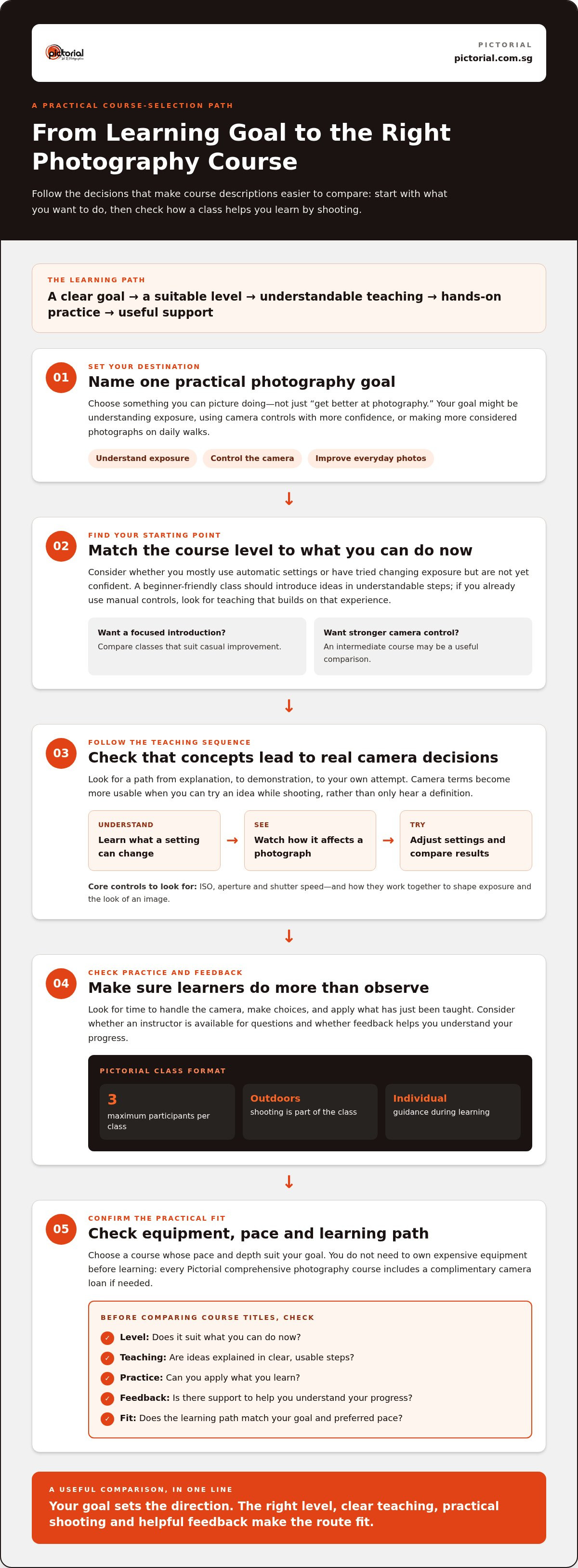
Once you know what you want to learn, compare courses against the same criteria rather than relying on titles alone. A “complete” or “advanced” label won’t tell you whether a class suits your starting point, gives you time to practise or offers the kind of support you value. Use this five-step checklist to make the differences clearer.
- Goal: Does the course cover the skill you want to develop, such as understanding exposure or using your camera with more confidence?
- Level: Does its description explain the experience expected and the skills it teaches? Choose a course that starts from your current knowledge.
- Teaching: Are topics explained in a way you can follow, with a clear link between the idea and how you use it?
- Practical work: Will you have time to apply what you learn by taking photographs, not just observe a demonstration?
- Personal support: Is there room to ask questions and receive guidance at a pace that works for you?
Apply the same questions to each course you’re considering. This makes it easier to compare the learning experience itself, rather than being swayed by a broad course title or a long list of topics.
Check equipment access and learning support
Equipment and logistics matter, but they don’t replace clear teaching and useful practice. Find out whether you need a camera to participate, and consider whether the location and format fit your routine. At Pictorial, Complimentary camera loan (if needed) is offered with every course. A Certificate of Completion is also offered with every course. Treat it as a record of completion, not as a promise of accreditation.
If you’re new to photography, the beginner photography course information can help you consider whether a beginner-focused learning path matches your starting point. Look at the skills described and how they relate to your goal, rather than assuming a particular course title is automatically right for you.
Decide whether a group or private format suits you
Learning alongside others can let you observe different questions and approaches, while one-to-one teaching can focus closely on your pace and concerns. Think about how you prefer to learn: do you like comparing ideas with others, or would you rather have more individual attention? Also consider how comfortable you feel speaking up and whether you want a slower pace or a shared lesson rhythm.
Class size offers a practical clue about the room available for interaction, though it doesn’t tell the whole story. Pictorial classes have a maximum of three participants, with outdoor shooting and individual guidance. As you compare formats, weigh this kind of support alongside the course’s stated teaching and practical work.
The best fit is the one that joins your goal with a suitable level, understandable teaching and a realistic way to practise. Equipment access and logistics can make learning easier, but the quality of the learning experience should remain central to your choice.
Find a Photography Course That Fits Your Goals at Pictorial
Once you know what you want from a class, it’s easier to choose a learning path that feels manageable and relevant. Pictorial offers options for learners who want to begin with the basics, focus on phone photography, or develop existing camera skills. Think about your goal and experience first, then compare the course content and minimum age to find a suitable starting point.
Choose a starting point that reflects what you want to learn
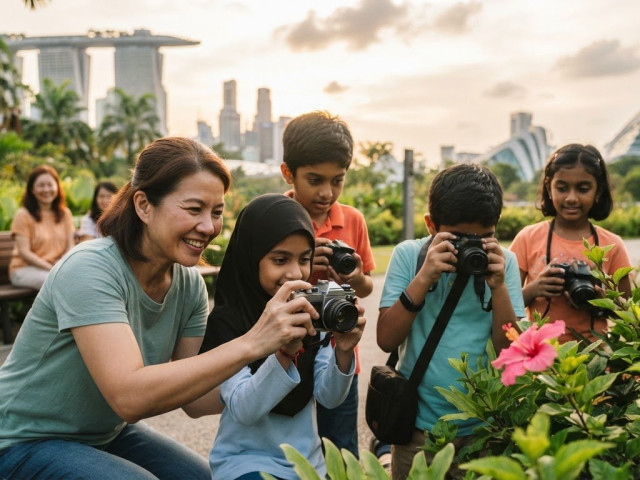
The Photography Starter Session and Basic Photography Course are each suitable for all ages, with a minimum age of 9. They may suit someone looking for an introductory starting point. For phone-focused learning, Mobile Photography Essentials is also suitable for all ages, with a minimum age of 9. If you’re ready to develop existing photography skills, the Intermediate Photography Course is suitable for all ages, with a minimum age of 15.
For a broader learning path, the Complete Photography Course is suitable for all ages, with a minimum age of 11. Compare what you want to practise with the course’s focus rather than choosing based on a title alone. A course that matches your current level can help you build from what you already know.
Take the next step when the fit feels clear
You can use your own camera or make use of the Complimentary camera loan (if needed), offered with every course. This can help ease equipment concerns while you focus on learning. Pictorial also offers a Certificate of Completion with every course. It’s useful to know what’s included, while keeping your main decision focused on the teaching, practice and support that fit your goals.
Pictorial was founded in 2005 and has taught over 20,000 students. Those details offer context as you consider where to learn, but the right choice still depends on what you want from the class. If you’re new, look for an accessible introduction. If you already have some experience, consider a path that develops your skills further.
Choosing what to look for in a photography course comes down to finding a class that suits your goal, starting point and preferred way of learning. Take your time comparing the options. Explore Pictorial’s photography courses and take the next step when the fit feels right.
Make Your Next Step a Practical One
You don’t need to have your whole photography journey mapped out before you begin. Choose one thing you’d like to do with more confidence, whether it’s making a thoughtful photograph on a walk or understanding the choices behind a camera setting. That small intention can give your learning direction without turning it into pressure to master everything at once.
As you consider what to look for in a photography course, let your current curiosity guide the decision. A good next step is one you can imagine putting into practice, and that leaves you willing to keep observing, trying and asking questions. Progress can start with noticing one detail differently, then returning to it with fresh attention.
If you’re ready to see which learning path suits your goal, take a calm look through the available options. There’s no need to rush the choice. Begin where you are, and let practice build from there.
Every photograph you make is a chance to learn something new. Take that first step at your own pace.
Frequently Asked Questions
Is a photography course worth it if I can learn from free tutorials?
It can be, especially if you want a learning path with opportunities to ask questions and get feedback. Tutorials are useful for revisiting a technique, but it can be hard to know whether you’ve understood it until you try it yourself. If you’re weighing what to look for in a photography course, consider whether guided practice would help you turn separate tips into skills you can use consistently.
Can I learn photography if I have never used manual camera settings?
Yes. You can begin without knowing how to use manual settings. Start with lessons that explain camera controls in clear steps and let you practise each idea at a manageable pace. For example, try changing one setting, take a photograph, and notice what changed before adjusting another. Understanding the relationship between settings develops over time, so you don’t need to master them before your first lesson.
Do photography courses provide a certificate?
Some do. Pictorial offers a Certificate of Completion with every course. This recognises that you completed the course, but it shouldn’t be confused with professional accreditation or a guarantee of employment. Before enrolling in any class, consider what you want a certificate to represent. If your aim is to improve your photographs, the opportunity to practise and apply what you learn may matter more than the document itself.
How much practice should I do between photography lessons?
There’s no single practice schedule that suits everyone. A short, focused exercise can be more useful than taking many photographs without a clear aim. After a lesson, choose one idea to try, such as framing a subject from different positions or comparing how a setting affects the image. Review the results and note what you’d like to ask or try next. Keep the routine realistic enough to maintain.
Can a photography course help me build a portfolio?
A course can help you practise skills that support portfolio building, but you’ll need to select and organise the photographs yourself. Start by choosing a subject you enjoy, then make a small set of images that explore it from different angles or in different light. Keep the photographs that feel consistent in purpose, and review them later with fresh eyes. A portfolio can grow gradually as your interests and skills develop.
What should I do after completing a beginner photography course?
Keep using the skills you’ve learned and identify what you’d like to tackle next. You might practise composing photographs in different surroundings, or return to a camera setting that still feels unfamiliar. Reviewing a selection of your recent images can show which decisions are becoming more deliberate and where you have questions. Then choose a next step that builds on those observations, whether that means further study or steady personal practice.

Disclaimer
© Pictorial | All Rights Reserved.